

Getting Ready Before You Make an Offer
A successful purchase begins well before you find a home you love. Lenders expect buyers to arrive with a clear financial picture, and sellers expect offers backed by documented loan approval. Preparing your finances before you start house hunting covers the groundwork in detail, but the core steps are: review your credit, establish your budget, and obtain a mortgage pre-approval letter.
Pre-approval - not just pre-qualification - tells sellers you are a serious, vetted buyer. It also anchors your search to homes you can realistically afford, preventing the disappointment of falling for a property outside your range. Gather pay stubs, tax returns, bank statements, and employment records before approaching a lender; the process moves faster when documents are ready.
Pre-Approval Carries More Weight Than Pre-Qualification
A pre-qualification is a lender's informal estimate based on self-reported information. Pre-approval involves verified documentation and underwriter review, making it far more credible to sellers. In competitive markets, many listing agents advise sellers to accept only offers accompanied by a pre-approval letter.
Making an Offer and Negotiating Terms
When you find the right home, your agent will prepare a purchase and sale agreement - a legally binding contract that specifies price, earnest money deposit, contingencies, and a proposed closing date. Earnest money (typically 1-3% of the purchase price) demonstrates commitment; it is held in escrow and credited toward your costs at closing.
Contingencies are your safeguards. Common ones include a financing contingency (you can exit if your loan falls through), an inspection contingency (you can negotiate repairs or walk away based on findings), and an appraisal contingency (the deal can be renegotiated if the home appraises below the agreed price). Sellers may counter your offer on price, terms, or timelines. Negotiation is normal - stay focused on total value, not just the headline number.
30-45 days
Typical time from offer acceptance to closing
The Consumer Financial Protection Bureau notes that most conventional purchase transactions close within this window, though timelines vary by market and loan type.
2%-5%
Closing costs as a share of loan amount
Freddie Mac estimates buyers should budget 2% to 5% of the home's purchase price for closing costs, which include lender fees, title charges, and prepaid expenses.
1%-3%
Typical earnest money deposit range
Industry practice in most U.S. markets places earnest money at 1-3% of the purchase price, though competitive markets sometimes see higher amounts.
Under Contract: Inspections and Due Diligence
Once both parties sign, the home is under contract and your due diligence period begins. A general home inspection - conducted by a licensed inspector you hire independently - examines the structure, roof, electrical systems, plumbing, HVAC, and more. The report will surface issues ranging from minor maintenance items to significant defects.
Depending on the property, additional inspections may be warranted: radon testing, sewer scope, mold assessment, or a specialized structural review. Review every report carefully. If defects are discovered, you generally have three options: request repairs, ask for a price reduction (called a seller concession), or walk away and recover your earnest money - provided your inspection contingency is intact.
Waiving Inspections Carries Real Risk
In competitive markets, buyers are sometimes tempted to waive the inspection contingency to make their offer more attractive. This removes a key consumer protection and means you accept the property in its current condition, known issues or not. Weigh this decision carefully and consult your agent before waiving any contingency.
The Mortgage Process: From Application to Commitment
After signing a purchase agreement, you formally submit your mortgage application. The lender orders an independent appraisal to confirm the home's market value supports the loan amount. Simultaneously, an underwriter reviews your financial documents to verify income, assets, and creditworthiness. This process typically takes two to four weeks.
Respond quickly to any requests for additional documentation - delays on your end can push back your closing date. Once underwriting is satisfied, your lender issues a Loan Commitment Letter, which officially clears the financing contingency. Three business days before closing, federal law requires your lender to provide a Closing Disclosure - a detailed document outlining your final loan terms, monthly payment, and itemized closing costs. Review it line by line and compare it to the Loan Estimate you received when you applied.
Lock in your interest rate as soon as your offer is accepted - most lenders allow a 30- to 60-day rate lock, which protects you if rates rise before closing.
Interest rate movements during the contract period can meaningfully affect your monthly payment; a rate lock removes that uncertainty during an already stressful process.
Avoid making large purchases, opening new credit accounts, or changing jobs between offer acceptance and closing - any of these can alter your financial profile and jeopardize final loan approval.
Lenders conduct a final credit check just before closing; changes to your debt load or employment status discovered at that stage have derailed transactions that seemed certain to close.
Title, Escrow, and the Final Countdown
A title company or real estate attorney - depending on your state's practices - conducts a title search to confirm the seller has the legal right to transfer ownership and that no outstanding liens, judgments, or competing claims encumber the property. You will typically purchase title insurance to protect against any undiscovered issues that could surface after closing. For an accessible explanation of these and other terms, see a plain-language glossary of home purchase terms.
Your escrow officer coordinates the flow of funds and documents between all parties. In the days before closing, you will wire your down payment and closing costs to the escrow account - never send funds based on email instructions alone, as wire fraud targeting homebuyers is a documented risk. Verify wiring instructions directly with your title company by phone.
Wire Fraud Targets Homebuyers Directly
Fraudsters intercept real estate email chains and send convincing fake wiring instructions redirecting your down payment to a fraudulent account. Never rely solely on emailed wire instructions - always call your title company or escrow officer using a number you look up independently to verbally confirm the correct account details before transferring funds. Money wired to a fraudulent account is extremely difficult to recover.
Closing Day: What to Expect at the Table
The day before or morning of closing, conduct a final walk-through of the property. Verify that agreed-upon repairs were completed, the home is in the expected condition, and no new damage has occurred since your inspection. If you find problems, contact your agent immediately - issues can sometimes be resolved with a last-minute seller credit rather than delaying closing entirely.
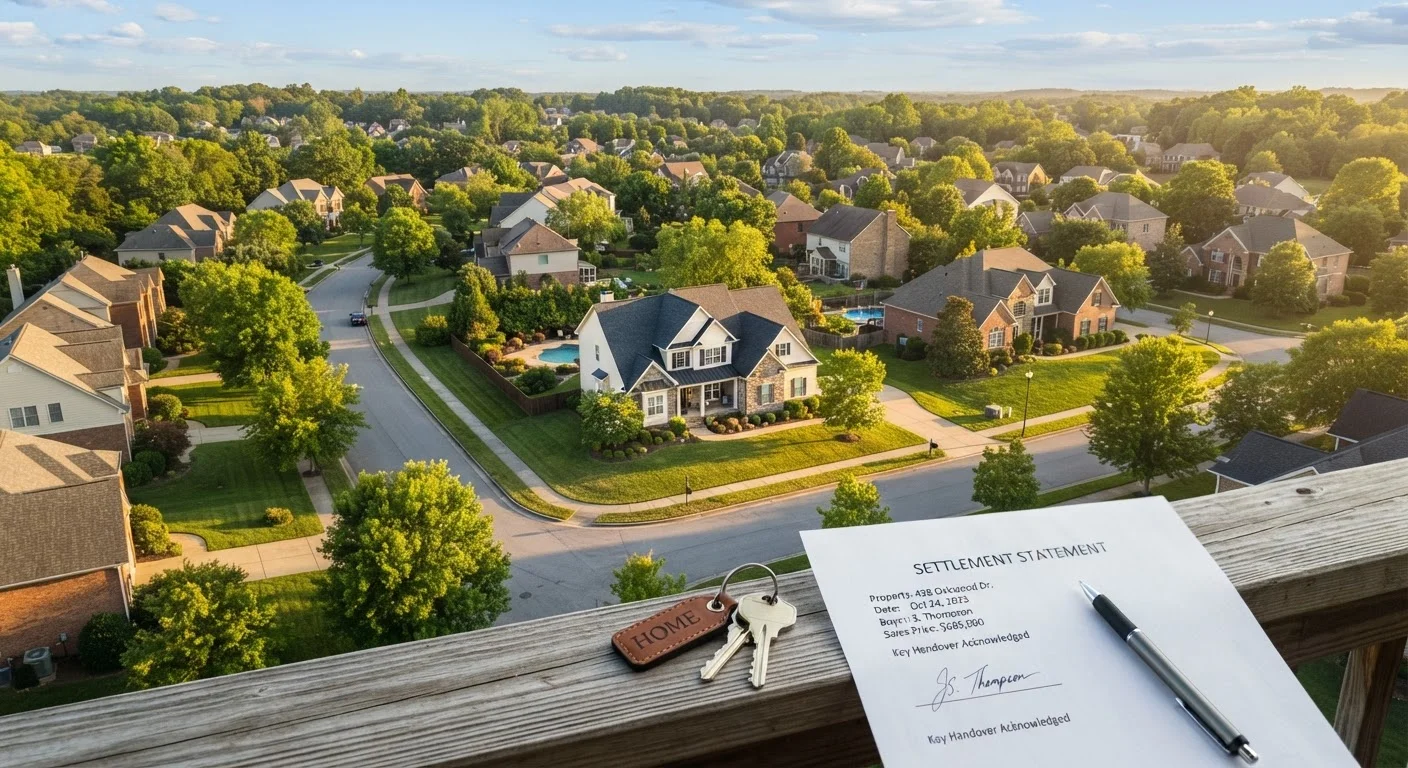
At the closing table, you will sign a significant stack of documents: the promissory note (your promise to repay the loan), the deed of trust or mortgage, and the settlement statement. Bring a government-issued photo ID and any documents your lender or title company requested. Once all parties have signed and funds have been disbursed, the deed is recorded with the local county - and you are legally a homeowner. The keys are yours.
After Closing: Your First Steps as a Homeowner
The transaction is complete, but your responsibilities as an owner are just beginning. Change the locks on all exterior doors before moving in - you have no way to know who holds copies of existing keys. Notify utilities, update your address, and locate your main water shutoff, electrical panel, and gas valve so you are prepared for emergencies.
Understanding what ownership actually entails - both legally and financially - is important from day one. What owning a home actually means legally and financially walks through rights, obligations, and the less-obvious realities of property ownership. And for the long road ahead, home maintenance from the ground up is a comprehensive resource for keeping your investment in sound condition year after year.
Keep All Closing Documents in a Safe Place
Your closing disclosure, deed, title insurance policy, and loan documents are important records you may need for tax purposes, refinancing, or a future sale. Store physical copies in a fireproof location and create digital backups. Your title insurance policy in particular has no expiration - it covers you for as long as you or your heirs hold an interest in the property.
The content on this site is for informational purposes only and is not a substitute for professional advice. Always consult a qualified professional for guidance specific to your situation.