

The Basic Rule: Notice Is Usually Required
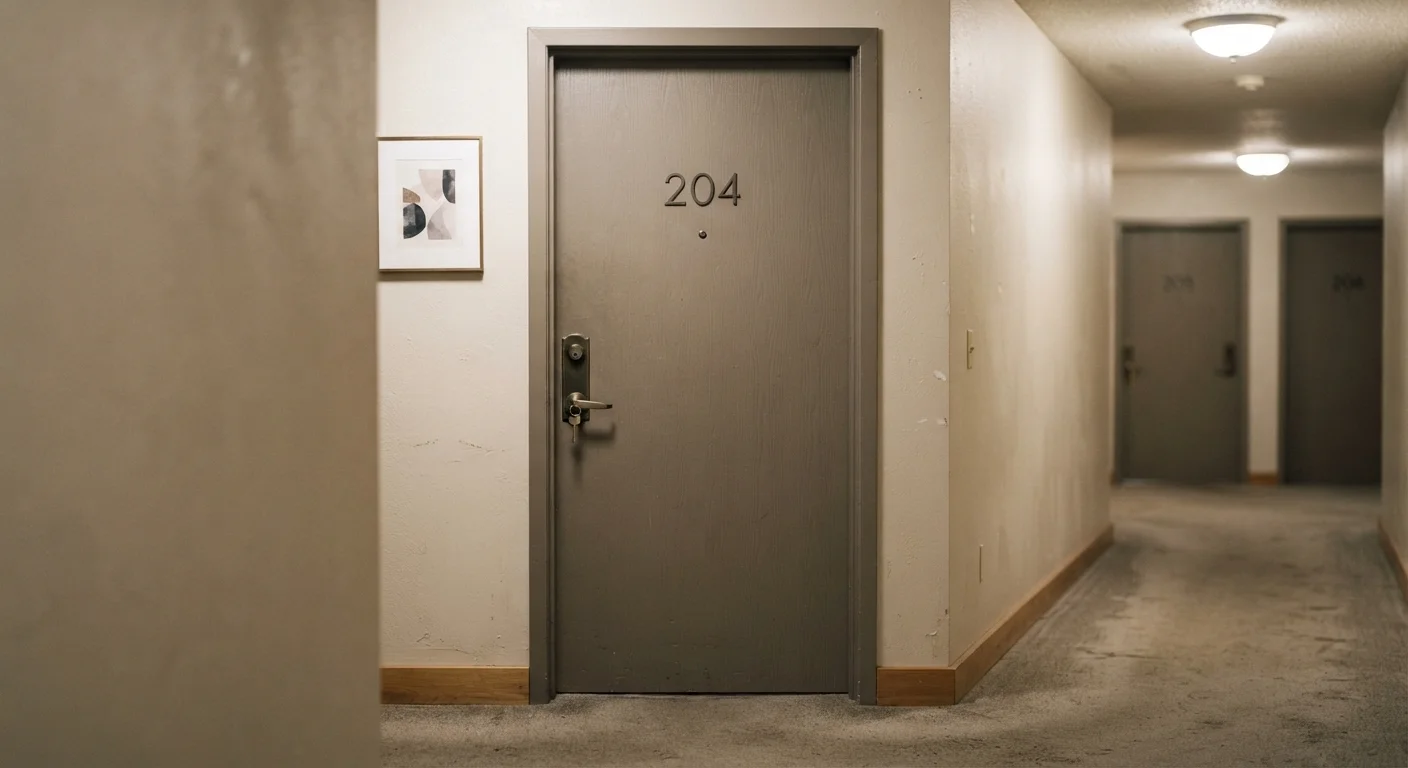
As a renter, your home is legally your private space - even though someone else owns the building. The law in most U.S. states reflects this by requiring landlords to provide advance notice before entering an occupied rental unit. The most common standard is at least 24 hours' notice, though some states set the bar higher.
Notice generally must specify the intended purpose of entry - a repair appointment, a routine inspection, or showing the unit to a prospective tenant or buyer. A landlord who enters without following these steps may be violating your legal rights, regardless of what the lease says about their access.
For a broader look at the protections renters often overlook, see tenant rights many renters don't know they have.
Notice Requirements Vary by State
There is no single federal law governing landlord entry - rules are set at the state level, and sometimes by local ordinance. What's required in California may differ from what's required in Texas or New York. Always look up the landlord-tenant statute in your specific state, or ask a local tenant's rights organization for clarity.
Recognized Exceptions: When Landlords Can Enter Without Notice
State laws consistently carve out exceptions for genuine emergencies. If a pipe bursts and water is flooding into the unit below, or if there's a fire, gas leak, or similar threat to safety or property, a landlord - or their authorized agent - can generally enter immediately without prior notice.
Other limited exceptions may include:
- Tenant abandonment: If the unit appears vacated and the landlord has reasonable grounds to believe the tenant has left, entry may be permitted to secure the property.
- Court order: A judge can authorize entry under specific circumstances.
- Tenant consent: If you verbally tell your landlord to come fix something right away, that constitutes consent, even without formal notice.
It's important to understand that inconvenience to the landlord - a contractor who is only available today, or a light bulb that needs replacing - does not constitute an emergency. The exception is narrow and tied to genuine urgency.
Keep a Written Record of Every Entry
Any time your landlord enters your unit - announced or not - write it down: the date, time, who was there, stated reason, and how much notice (if any) you received. If a dispute arises later, this log can be essential evidence. Emailing your landlord after each visit to confirm the details creates a timestamped record.
What 'Reasonable Time' Means in Practice
Even when proper notice is given, most states also require that entry occur at a reasonable time. This is typically interpreted as normal business hours on weekdays - roughly 8 a.m. to 6 p.m. - though what's considered reasonable can depend on context and local custom.
If your landlord gives 24 hours' notice but then shows up at 10 p.m. on a Friday, that likely doesn't meet the legal standard even though notice was technically provided. Both elements - adequate notice and reasonable timing - generally need to be satisfied.
24 hrs
Minimum notice required in most U.S. states
The majority of state landlord-tenant statutes set 24 hours as the standard minimum notice period before a landlord may enter a rental unit for non-emergency purposes.
~20
States with explicit entry statutes on the books
According to legal resource compilations of state landlord-tenant law, roughly 20 or more states have codified specific notice requirements, timeframes, and permissible entry purposes into statute.
When Entry Becomes Harassment
A pattern of unannounced visits, or excessively frequent entries even with notice, can cross the line from inconvenient into legally actionable conduct. Most state landlord-tenant laws prohibit landlords from using repeated entry - or threats of entry - to intimidate, pressure, or effectively push a tenant out of their home. This is sometimes called constructive eviction or landlord harassment.
If you're experiencing a pattern of intrusive behavior, clear and documented communication is your first line of defense. Communicating with your landlord in writing creates a paper trail that matters significantly if the dispute escalates. Keep a log of each incident - the date, time, who entered, and what was said.
How to Respond If Your Rights Are Violated
If a landlord enters your unit without proper notice and no emergency applies, you have options. Start by addressing it in writing - a simple letter or email noting the date, what occurred, and the relevant state law. This serves both as a record and a clear signal that you're aware of your rights.
If unauthorized entries continue, consider these steps:
- Contact a local tenant's rights organization or legal aid clinic for free or low-cost advice.
- File a complaint with your city or county housing authority, if one exists.
- Consult an attorney, particularly if the pattern suggests harassment or retaliation.
In some states, repeated violations can entitle the tenant to remedies such as rent reduction, lease termination without penalty, or damages. The specific remedies available depend entirely on where you live.
For related disputes that often arise in rental relationships, the rules around security deposits are another area where knowing the law can protect you significantly.
This article is for general informational purposes only and does not constitute legal advice. Laws vary significantly by state and locality. Consult a qualified attorney or tenant's rights organization for guidance specific to your situation.
Frequently Asked Questions
Most states set a minimum of 24 hours' written or verbal notice. A smaller number of states require 48 hours, and some specify only that notice must be 'reasonable.' Check your state's landlord-tenant statute for the exact requirement where you live.
Generally yes, if proper notice was given and the purpose is lawful - such as making a scheduled repair. However, the landlord typically cannot use access to go through personal belongings or areas unrelated to the stated purpose.
Situations that genuinely threaten life or property - a fire, gas leak, burst pipe flooding the unit, or a structural collapse - typically allow immediate entry without prior notice. Routine maintenance issues do not qualify as emergencies.
Start by sending a written notice to your landlord citing the relevant state law. Document each incident with dates and details. If the behavior continues, you may have grounds to contact a local tenant's rights organization, file a complaint with a housing authority, or seek legal advice.
A lease can grant tenants more rights than state law provides, but it generally cannot take away statutory protections. A lease clause that waives the required notice period is usually unenforceable in states that mandate it by statute.
If a landlord has given proper legal notice for a valid purpose, refusing entry could put you in breach of your lease. However, you can reasonably negotiate the timing, and you are within your rights to refuse entry if no proper notice was given and no emergency exists.
The content on this site is for informational purposes only and is not a substitute for professional advice. Always consult a qualified professional for guidance specific to your situation.