

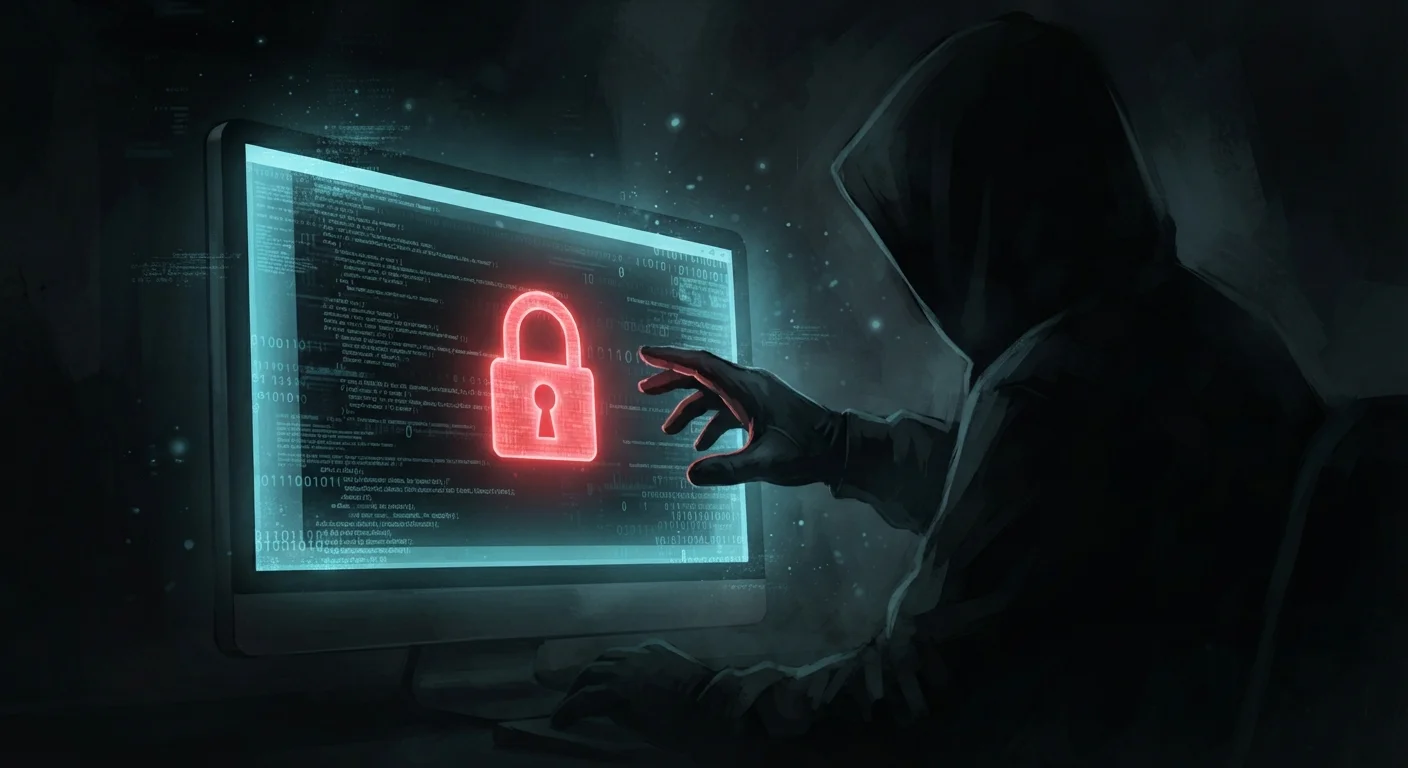
Why Attackers Target People, Not Programs
Firewalls, antivirus software, and encrypted connections have made purely technical attacks significantly harder to execute. As a result, many attackers have shifted their focus: instead of finding a flaw in a system, they find a flaw in a person. This is the core logic behind social engineering.
The approach is effective because human behavior is often more predictable than software. People respond to authority. They want to be helpful. They act quickly when told something is urgent. Skilled social engineers study these tendencies and craft scenarios that exploit them deliberately.
Understanding this shift matters because common misconceptions about digital safety often lead people to believe that having good antivirus software makes them immune. It does not - no technical tool defends against being tricked.
98%
Of cyberattacks involve social engineering
According to research cited by security firm Proofpoint, the vast majority of successful cyberattacks rely on some form of social engineering rather than purely technical exploits.
$2.9B+
Lost to Business Email Compromise annually
The FBI's Internet Crime Complaint Center (IC3) has reported that Business Email Compromise - a form of social engineering targeting organizations - consistently ranks among the costliest cybercrime categories each year.
3 in 4
Organizations targeted by phishing attacks
Industry security surveys have consistently found that a large majority of organizations report experiencing phishing attempts, underscoring how broadly social engineering is deployed.
The Psychological Levers Scammers Pull
Social engineers don't guess randomly - they rely on well-documented psychological principles. Recognizing these levers is the first step toward resisting them.
- Authority: Attackers impersonate figures of power - an IRS agent, a bank fraud department, a company's IT team. People are conditioned to comply with authority, often without questioning it.
- Urgency: "Your account will be closed in 24 hours" or "Act now to avoid a penalty" shortcircuits careful thinking. When people feel time pressure, they skip verification steps.
- Fear: Messages warning of legal action, account suspension, or a compromised device trigger anxiety that clouds judgment.
- Helpfulness: Attackers sometimes pose as colleagues in distress or confused customers needing a favor, exploiting the natural instinct to assist others.
- Familiarity: By referencing real names, recent events, or details scraped from social media, scammers create false credibility. This is why everyday digital habits that expose personal information can directly fuel these attacks.
When in Doubt, Hang Up and Call Back
If you receive an unexpected call from someone claiming to represent a bank, government agency, or tech company, end the call. Look up the organization's official phone number independently and call them directly. This single habit defeats the vast majority of vishing and impersonation attacks. Never use a callback number provided by the original caller.
Common Social Engineering Attack Formats
Social engineering appears in many forms, often delivered through digital channels but sometimes in person or by phone.
Phishing, smishing, and vishing are the most prevalent. Phishing arrives by email, smishing by text message, and vishing by phone call - each impersonating a trusted source to extract information or trigger an action. Our article on how phishing, smishing, and vishing differ breaks down the specific mechanics of each.
Pretexting involves an attacker fabricating an elaborate scenario - claiming to be from HR, a vendor, or a regulatory body - to justify why they need sensitive information.
Baiting offers something appealing, such as a free download or USB drive left in a public place, to lure someone into introducing malware or giving up credentials.
Quid pro quo scams promise a service or benefit in exchange for information - for example, offering free tech support in exchange for remote access to a device.
How to Recognize and Resist Social Engineering
Defending against social engineering is less about technology and more about developing skeptical habits.
Pause before acting. Any message that creates strong urgency or emotional pressure should trigger a deliberate slowdown, not speed up. Legitimate organizations do not demand instant action without allowing time to verify.
Verify independently. If someone contacts you claiming to be from your bank or a government agency, hang up or close the message and contact that organization directly using a phone number or website you find independently - not one provided by the contact.
Question unsolicited requests. A request you didn't initiate - for a password reset, a wire transfer, or remote access - deserves serious scrutiny regardless of how legitimate it appears.
Limit your digital footprint. Information shared publicly on social media can be used to make attacks more convincing. Reviewing your privacy settings periodically reduces the raw material scammers can use.
For a broader foundation of security habits, a beginner's orientation to digital security covers the essential building blocks every internet user should understand.
“The weakest link in the security chain is the human element. Training people to recognize manipulation is as important as any firewall or encryption system.”
— Kevin Mitnick, Renowned security consultant and author of 'The Art of Deception'
Frequently Asked Questions
Phishing emails are among the most widespread forms of social engineering. An attacker sends a message impersonating a bank, government agency, or familiar company to trick the recipient into clicking a malicious link or providing credentials. The message typically creates a sense of urgency to bypass careful thinking.
Traditional hacking exploits vulnerabilities in software or networks. Social engineering exploits vulnerabilities in human psychology - trust, fear, curiosity, and habit. Many real-world attacks combine both, using social engineering to gain initial access and then deploying technical tools from there.
Yes. Phone-based social engineering, often called vishing (voice phishing), involves a caller impersonating a tech support agent, IRS officer, or bank representative. They create pressure to extract personal details or convince the target to install remote-access software.
Stop all communication with the suspected attacker immediately. Change any passwords or credentials that may have been shared or compromised. Contact your bank if financial information was involved, and report the incident to the FTC at reportfraud.ftc.gov.
Social engineering bypasses rational thinking by triggering automatic emotional responses - fear of consequences, desire to help, or respect for authority. These are normal human instincts, not signs of low intelligence. Scammers specifically craft scenarios designed to overwhelm deliberate thinking.
Slow down when an unexpected request arrives. Independently verify the identity of anyone asking for sensitive information. Be cautious about what personal details you share publicly online. Enable multi-factor authentication on important accounts so that a stolen password alone isn't enough for access.
The content on this site is for informational purposes only and is not a substitute for professional advice. Always consult a qualified professional for guidance specific to your situation.