

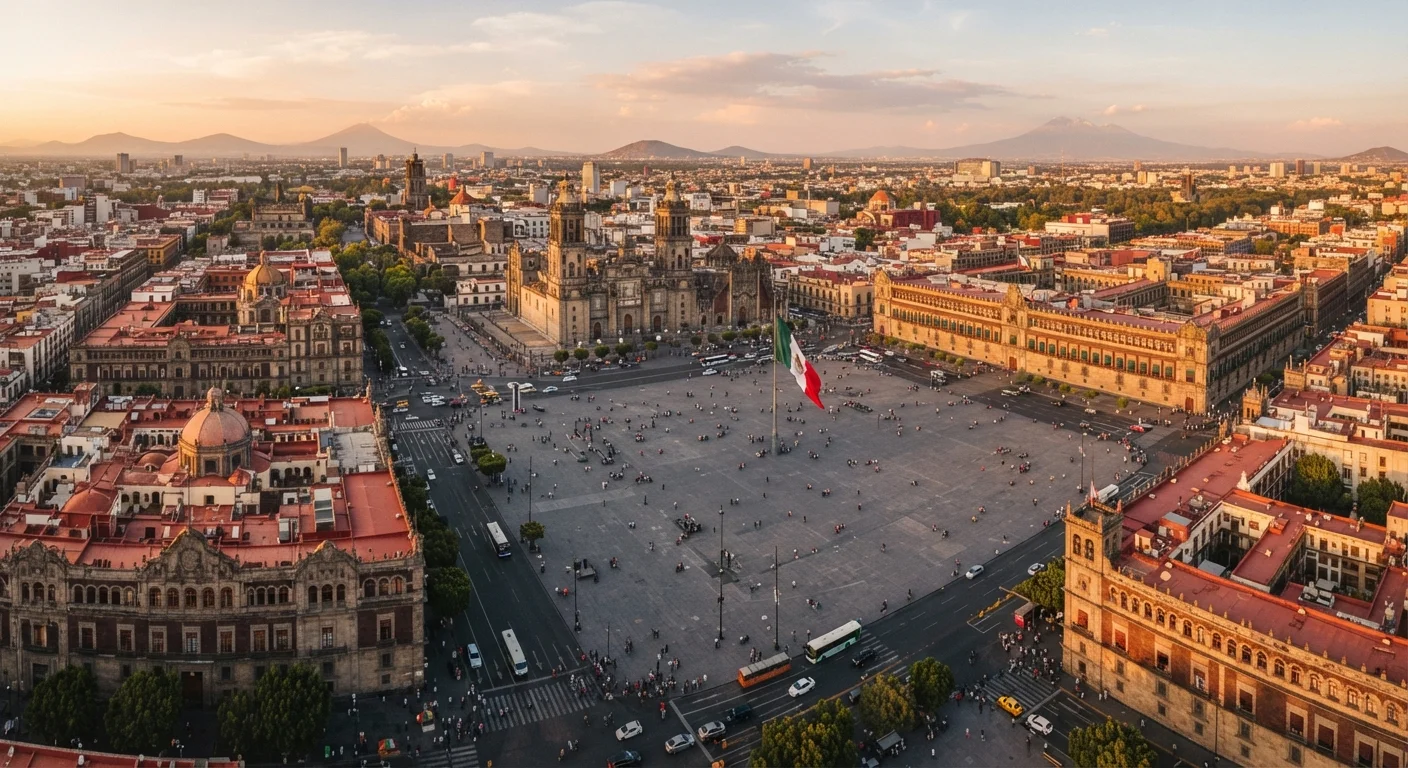
Why Mexico City Surprises Most American Visitors
Many Americans arrive in Mexico City expecting a scaled-up border town and leave genuinely astonished. CDMX - as locals call it - is one of the largest cities in the Western Hemisphere, a metropolis of roughly 22 million people in its greater metro area. It holds world-class museums, a thriving culinary scene regularly recognized on international lists, and neighborhoods as architecturally varied as any European capital.
What throws visitors most is the altitude. Mexico City sits at approximately 7,350 feet above sea level. Headaches, fatigue, and mild shortness of breath are common on day one, even for fit travelers. Plan gentle first-day activities - a slow walk through a neighborhood market, a museum visit - rather than aggressive sightseeing. Staying hydrated and limiting alcohol the first 24 hours makes a genuine difference.
Book the Frida Kahlo Museum (Casa Azul) tickets online at least two to three weeks ahead - walk-up availability is extremely limited, especially on weekends.
This is one of CDMX's most visited cultural sites and regularly sells out; advance booking is the only reliable way to guarantee entry.
Download your ride-hailing app and set up payment before you land - airport Wi-Fi and data roaming can be unreliable when you most need the app to work.
Having the app ready offline removes a key friction point during the often-chaotic first hour of arrival at a busy international airport.
Neighborhoods Worth Knowing Before You Go
Mexico City's colonias (neighborhoods) each have a distinct identity. Understanding them before you book accommodation saves you significant hassle.
- Roma Norte and Roma Sur: Tree-lined streets, art nouveau architecture, independent coffee shops, and a walkable restaurant scene. A reliable base for first-time visitors who want urban energy without feeling overwhelmed.
- Condesa: Adjacent to Roma, more residential and park-centric. Parque México anchors the neighborhood. Slightly quieter at night, popular with expats and longer-stay travelers.
- Polanco: Upscale and hotel-heavy, close to Chapultepec Park and the Museo Nacional de Antropología. Prices run higher, but the walkability and security infrastructure are strong.
- Centro Histórico: The historic core, home to the Zócalo, Templo Mayor ruins, and Palacio de Bellas Artes. Vibrant by day; requires more situational awareness after dark. Ideal for cultural immersion, though accommodations vary widely in quality.
- Coyoacán: Further south, this bohemian neighborhood is home to the Frida Kahlo Museum (book tickets well in advance). It has a slower, village-like pace distinct from the central colonias.
~22M
Greater metro area population
Mexico City's metropolitan area is among the five largest in the Western Hemisphere by population.
7,350 ft
Elevation above sea level
Mexico City's high altitude affects most visitors; acclimatization symptoms typically ease within 24-48 hours.
195+
Metro stations citywide
The CDMX Metro system is one of the largest and most used subway networks in Latin America.
Safety: An Honest, Context-Driven Picture
Safety in Mexico City is a topic that deserves nuance rather than either dismissal or alarm. The US State Department issues travel advisories for Mexico - travelers should check the current advisory at travel.state.gov before departure, as designations can change and vary by region within Mexico.
Check the State Department Advisory Before You Book
The US State Department maintains Mexico travel advisories at travel.state.gov, with state-by-state breakdowns. Mexico City (in Mexico State and CDMX jurisdiction) carries its own designation that may differ from northern border states or resort areas. Review the current advisory and register your trip with the Smart Traveler Enrollment Program (STEP) - it's free and ensures the Embassy can contact you in an emergency.
Within the tourist-frequented colonias - Roma, Condesa, Polanco, and most of Centro Histórico during daytime - the day-to-day experience for visitors is broadly comparable to navigating a large US city. Petty theft (phone snatching, pickpocketing in crowded markets) is the most common risk. Express kidnappings, though real and reported, are not an everyday feature of the tourist experience but merit awareness.
Practical habits reduce your risk significantly: use app-based ride-hailing rather than hailing taxis from the street, keep your phone in a pocket rather than displayed, avoid flashing expensive camera gear in unfamiliar areas, and stay aware of your surroundings after dark. Traveling in pairs or groups in the evening is a sensible precaution.
Getting Around the City
Mexico City's transportation options range from remarkably affordable to thoroughly modern - often on the same trip.
The Metro
The Sistema de Transporte Colectivo Metro is one of the world's busiest subway systems and covers the city extensively. Fares are very low by US standards, making it an efficient option for daytime travel between major areas. During rush hours, certain cars are designated for women and children - signage is clear. Keep bags in front of you and be alert to crowding.
Metrobús
Bus rapid transit lines run along major corridors including Insurgentes. Requires a rechargeable card (available at stations) and is generally less crowded than the Metro.
Ride-Hailing Apps
Apps like Uber and its local counterparts operate widely in CDMX and are the default recommendation for most travelers - particularly at night, from airports, or in unfamiliar areas. The in-app payment and trip tracking provide an important safety layer. Never get into an unmarked taxi or one hailed from the street.
Walking
Roma, Condesa, and Polanco are genuinely walkable neighborhoods with wide sidewalks. Centro Histórico is walkable for cultural exploration but requires more awareness of traffic and crowds.
Walking Between Roma and Condesa
The walk between Roma Norte, Condesa, and Parque México is one of the most pleasant urban strolls in the city. Allow extra time to explore side streets - the neighborhood architecture alone rewards slow exploration. Most of the walk is flat and well-lit during daylight hours.
Practical Logistics for US Travelers
A few logistics that frequently catch American travelers off guard:
- Entry Requirements
- US passport holders do not currently require a visa for tourist stays in Mexico. Verify the allowed length of stay on your immigration form and confirm current rules at the official Mexican government immigration portal or through the US Embassy before travel - policies can change.
- Currency
- The Mexican peso (MXN) is the local currency. Many establishments in tourist colonias accept USD or cards, but having pesos for markets, street food, Metro cards, and smaller vendors is practical. Use bank ATMs inside established banks or hotel lobbies rather than street-facing standalone machines.
- Airport Transfer
- Benito Juárez International Airport (MEX) serves most US routes. A newer airport, Felipe Ángeles (NLU), handles some flights and is further from the city center - confirm which airport your flight uses. Pre-booked ride-hailing or authorized airport taxis are the recommended transfer options.
- Health Considerations
- Tap water is not reliably safe to drink throughout CDMX - bottled or filtered water is standard. Consult your physician or a travel health clinic about relevant vaccinations well before departure. Travel health decisions are personal and should involve a qualified healthcare provider.
Travel Insurance Is Worth Considering
Comprehensive travel insurance - covering trip interruption, medical evacuation, and emergency care - is worth serious consideration for any international trip. Your standard US health insurance may have limited or no coverage abroad. Review your existing policies and consult a licensed insurance professional to understand your options before departure.
This article provides general travel information for educational purposes. Entry requirements, safety conditions, and local regulations can change. Always verify current information through official government sources - including the US Department of State (travel.state.gov) and Mexican immigration authorities - before traveling.
The content on this site is for informational purposes only and is not a substitute for professional advice. Always consult a qualified professional for guidance specific to your situation.