

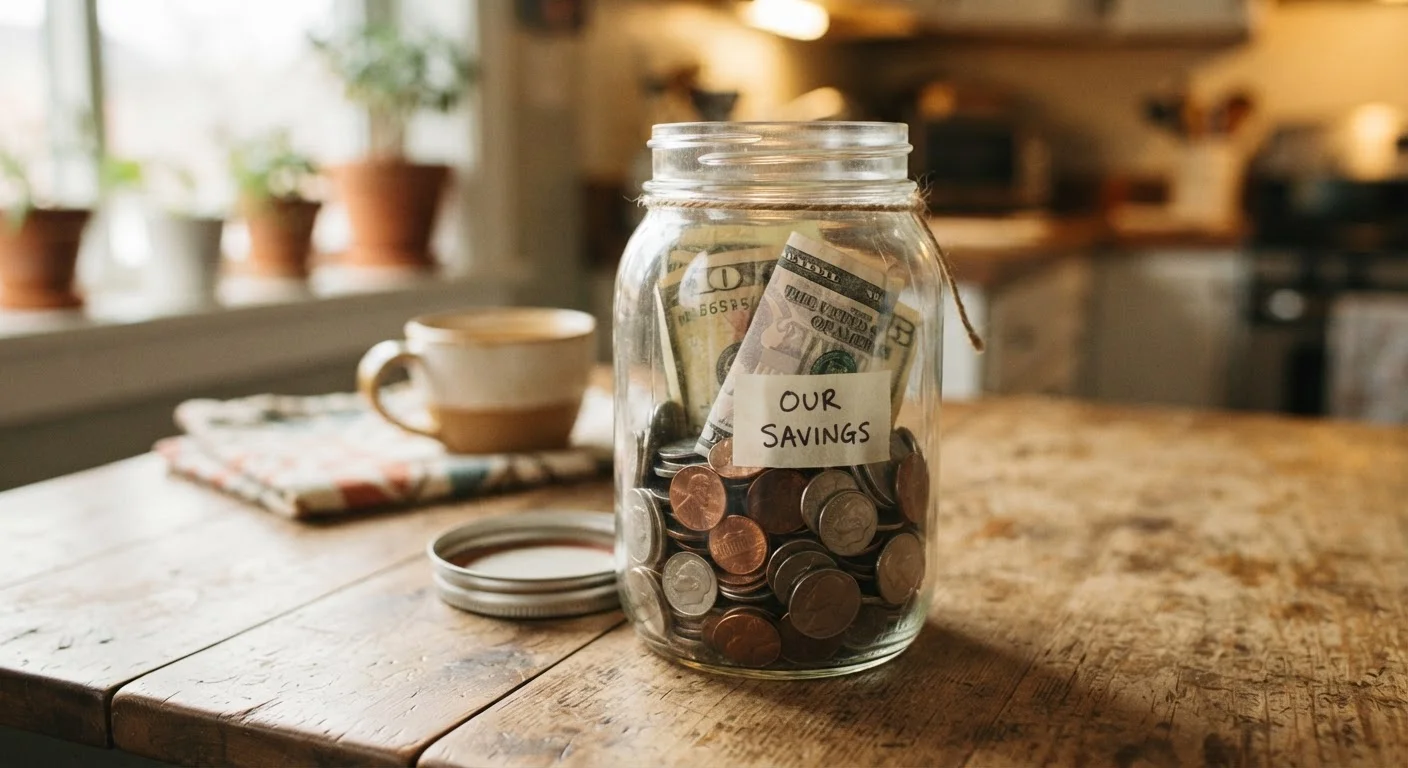
Why Every Tight Budget Needs an Emergency Fund
An emergency fund is a dedicated pool of cash set aside exclusively for genuine, unexpected expenses - a medical bill, a car repair, or a sudden gap in income. Without one, even a modest financial shock can force a household into high-interest debt that takes months or years to escape.
The conventional advice to save three to six months of living expenses is accurate as a long-term goal, but it can feel paralyzing when you're living paycheck to paycheck. A more productive starting point is a starter emergency fund - a smaller, achievable target of $500 to $1,000. That amount covers the most common unexpected costs that derail tight budgets and buys time without borrowing.
If you haven't yet mapped out your income and fixed expenses, the foundational budgeting guide is a useful place to start before working through the steps below.
What you will need
How to Build Your Emergency Fund Step by Step
The process below is designed for households where every dollar is already spoken for. The goal is not to find a lot of money - it's to consistently redirect a small amount. Follow these steps in order, revisiting earlier ones as your situation changes.
Set a small, concrete first target
Choose an initial goal of $500. This amount is reachable within a few months for most budgets and covers the most frequent unexpected costs - a car repair, a medical copay, or a broken appliance. Resist the urge to start with a larger number; a reachable goal builds momentum.
Open a dedicated savings account
Keep your emergency fund in an account that is separate from your everyday checking account. Physical separation reduces the temptation to spend the balance on non-emergencies. Many banks and credit unions offer free basic savings accounts with no minimum balance requirement. Look for one without monthly maintenance fees that would erode small deposits.
Find your first regular contribution amount
Review one month of actual spending and identify one category where you could redirect even a small amount - a subscription you rarely use, a dining-out line item you could trim slightly, or a service you could pause temporarily. Even $10-$25 per week deposited consistently adds up to $520-$1,300 over a year.
Automate the transfer
Set up an automatic transfer from checking to your dedicated savings account on the same day your paycheck arrives - before you have a chance to spend it. Most banks allow you to schedule recurring transfers through their app or website. Treating savings like a fixed bill removes the decision-making burden each pay period.
Add windfalls and redirect freed-up money
Whenever you receive money outside your regular income - a tax refund, a gift, a side-job payment, or a bill that ends - direct a portion of it to your emergency fund. Similarly, when a debt is paid off, redirect at least part of that freed-up monthly payment toward savings rather than absorbing it into spending.
Define what counts as an emergency
Before you need to use the fund, agree with yourself on what qualifies. True emergencies include unexpected job loss, urgent medical or dental costs, essential home or car repairs, and emergency travel. Planned expenses - vacations, holidays, annual bills - do not qualify and should be saved for separately. Clear rules prevent gradual depletion of the fund.
Small Amounts Compound Into Habits
Building an emergency fund on a tight budget is as much about behavior as it is about dollars. The act of consistently setting something aside - even $10 a week - rewires spending habits over time. Once your starter fund is in place, you'll have both the financial buffer and the behavioral foundation to grow it further.
If you carry high-interest debt, you don't have to choose between saving and paying it down. The debt vs. savings trade-off guide walks through how to balance both priorities sensibly.
Common Obstacles - and How to Work Around Them
No consistent paycheck: Freelancers, gig workers, and anyone with variable income face a unique challenge because fixed savings rules break down when earnings fluctuate. A percentage-based approach - directing a set percentage of every deposit, however small, into savings - works better than a fixed dollar target. The guide to saving on variable income covers this in depth.
Irregular expenses derailing progress: Annual costs like car registration, dental visits, or back-to-school supplies often feel like emergencies because they weren't budgeted for. They aren't emergencies - they're predictable irregular expenses. Identifying them in advance prevents them from draining your fund. See overlooked spending categories for a practical checklist.
Carrying debt at the same time: Building savings while repaying debt is genuinely difficult, but the two goals are not mutually exclusive. A small emergency fund actually protects your debt repayment plan by preventing you from borrowing again when something unexpected happens. The dual strategy guide explains how to manage both without stalling either.
Don't Use Your Fund for Non-Emergencies
One of the most common pitfalls is gradually drawing on an emergency fund for expenses that feel urgent but are actually predictable - holiday gifts, annual insurance premiums, or minor home maintenance. These belong in separate budget categories. Protecting the fund's intended purpose is what makes it effective when a real crisis arrives.
This article is for general informational and educational purposes only and does not constitute personalized financial advice. Consult a qualified financial professional for guidance specific to your situation.
The content on this site is for informational purposes only and is not a substitute for professional advice. Always consult a qualified professional for guidance specific to your situation.