

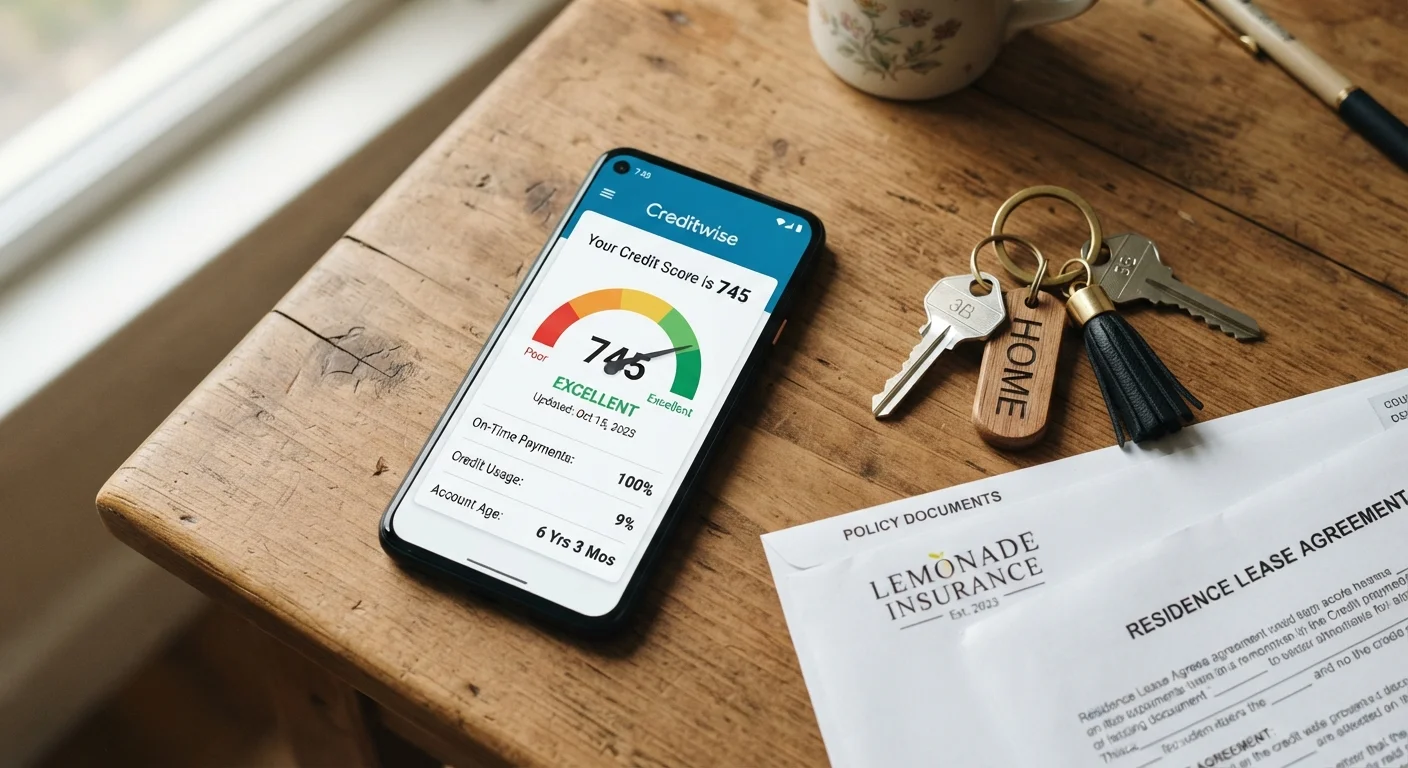
Credit Scores Are Not Just a Lending Tool
Most people first encounter their credit score when applying for a car loan or mortgage. But treating a credit score as purely a borrowing metric misses the bigger picture. Today, your three-digit score - or the credit report underlying it - influences decisions made by landlords, insurance companies, utility providers, and even certain employers.
This broader reach means that building and protecting a good credit score is a general financial life skill, not just a step you take before a major purchase. Understanding where your score shows up - and why - helps you see the full value of managing credit carefully. For a thorough look at the data behind your score, see our guide on reading a credit report without getting overwhelmed.
~45
States allowing credit-based insurance scoring
According to the National Conference of State Legislatures, the majority of U.S. states permit insurers to use credit-based scores in premium calculations.
16%
U.S. adults with no credit score
The Consumer Financial Protection Bureau (CFPB) has estimated that roughly 26 million Americans are credit invisible, meaning they have no scoreable credit history at all.
Renting an Apartment: Where Credit Scores Hit Home
For many Americans, housing is where a credit score makes its first non-loan impact. Landlords and property management companies routinely pull credit reports - and sometimes scores - to assess whether a prospective tenant is likely to pay rent on time.
A low score can result in a rejected application, a requirement for a larger security deposit, or a demand for a co-signer. In competitive rental markets, two otherwise equal applicants may be separated entirely by their credit histories. This means renters benefit from understanding their credit position before they start apartment hunting. Our article on rental application myths that can trip up good tenants breaks down what landlords actually look for and how qualified renters can avoid common pitfalls.
Insurance Premiums and Credit-Based Scoring
In most U.S. states, auto and homeowners insurance companies use what is called a credit-based insurance score - a model derived from credit report data - when calculating your premium. This is a separate metric from a lending credit score, but it draws on the same underlying information: payment history, debt levels, and account age.
Insurers argue that this score correlates statistically with the likelihood of filing a claim, though the practice has faced regulatory scrutiny for equity concerns. Regardless of where the debate lands, the practical result for consumers is that poor credit can lead to higher insurance costs even if your driving or claims record is clean. A few states, including California and Massachusetts, restrict or ban this practice for auto insurance, but most do not.
To understand what else can shift your insurance costs, our article on why car insurance premiums change even when you haven't filed a claim covers the full picture.
Check Your Score Before Major Life Events
If you're planning to move, switch insurers, or apply for a new job in the next few months, pull a free copy of your credit report first. Reviewing it early gives you time to dispute errors or address issues before they affect decisions made by landlords, insurers, or employers. You can access a free report from each major bureau annually at AnnualCreditReport.com.
Employment and Utilities: Less Obvious, Still Real
Some employers - particularly those hiring for roles that involve handling money, sensitive data, or security clearances - may review a modified version of your credit report as part of a background check. Importantly, they typically see a report, not your actual score, and they must obtain your written consent first. Several states have enacted laws limiting this practice, so the rules vary depending on where you live and work.
Utility companies present another common touchpoint. When you set up electricity, gas, or broadband service, the provider may run a soft credit inquiry. Applicants with no credit history or a troubled record may be asked for a security deposit - sometimes equal to one or two months of estimated bills - before service is activated.
These situations reinforce why good credit habits matter consistently, not just before a loan application. Small missteps can quietly ripple outward. Our article on financial moves that quietly damage your credit over time details the behaviors that erode scores before most people notice.
Soft vs. Hard Inquiries: Know the Difference
When a landlord, insurer, or utility company checks your credit, they typically perform a 'soft inquiry,' which does not affect your credit score. Hard inquiries - triggered when you apply for credit - can temporarily lower your score by a few points. Understanding this distinction means you can allow routine screening checks without worrying about score damage.
Building Credit Habits That Pay Off Broadly
Because your credit score affects so many corners of daily life, maintaining it is more about consistent, low-key habits than dramatic financial moves. Paying bills on time, keeping credit card balances low relative to your credit limits, and avoiding unnecessary new account applications are the foundation of a durable score over time.
The good news is that the same behaviors that improve your credit score for borrowing purposes also improve how you appear to landlords, insurers, and others. There is no separate track for each situation - one healthy credit profile serves all of them. For practical guidance on maintaining that profile, see our article on habits that keep credit scores healthy over the long run.
This article is for general informational and educational purposes only and does not constitute personalized financial, legal, or credit advice. Consult a qualified financial professional for guidance specific to your situation.
Frequently Asked Questions
Yes. Most landlords use credit checks as part of tenant screening. A low score may result in a denial, a higher security deposit requirement, or a request for a co-signer. Understanding what's on your report before applying can help you anticipate these outcomes.
In most U.S. states, auto and homeowners insurers use a credit-based insurance score - derived from similar data as a regular credit score - to help set premiums. Studies cited by insurers suggest a statistical link between credit history and claim likelihood, though critics debate the fairness of the practice.
Employers can check a version of your credit report - not typically the score itself - with your written consent. This practice is more common in roles involving financial responsibility or security clearances. Some states limit or prohibit employer credit checks, so rules vary by location.
Electric, gas, and internet providers may pull a credit check when you open a new account. If your credit history is thin or shows issues, they may require a refundable security deposit before activating service.
Under the FICO model, a score of 670 or above is broadly considered good, while 740 and above is considered very good to exceptional. The higher your score, the more favorable the terms you are likely to encounter across lending and non-lending situations.
The content on this site is for informational purposes only and is not a substitute for professional advice. Always consult a qualified professional for guidance specific to your situation.