

Why Some Renovations Hold Their Value Better Than Others
Not every home improvement pays back equally. Some upgrades appeal strongly to future buyers; others reflect personal taste that may not transfer. The projects that tend to hold lasting value typically share a few traits: they address condition, function, or efficiency - not just aesthetics. They also tend to be executed properly, with the right permits pulled and qualified professionals involved where the work requires it.
If your home is older, be aware that certain renovations can disturb materials like lead paint or asbestos. Our article on working with older homes covers what to check before disturbing walls, flooring, or ceilings in pre-1980s construction.
Plan Before You Pick Up a Tool
Even experienced DIYers benefit from a structured pre-project checklist. Budget clarity, permit research, and contractor vetting done upfront prevent costly surprises mid-project. Our pre-project planning checklist walks through the key steps before work begins.
Six Renovation Categories Worth Considering
Kitchen Updates That Prioritize Function and Finish
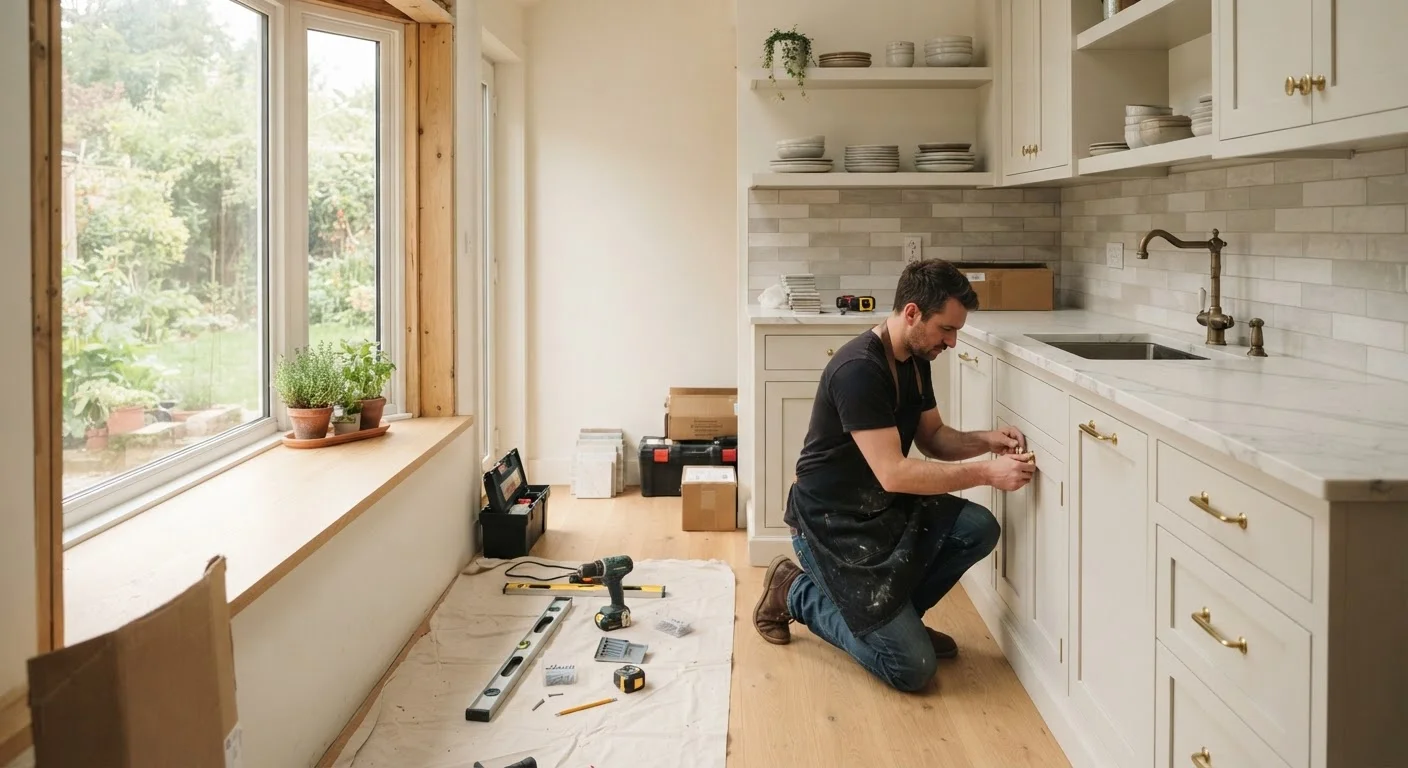
The kitchen remains one of the most scrutinized rooms in any home sale or appraisal. That said, the goal isn't necessarily a full luxury overhaul - midrange updates consistently perform well. Replacing worn countertops with durable materials, installing new hardware, refreshing cabinet faces, and upgrading to energy-efficient appliances are all changes that buyers notice and value without requiring a full gut renovation.
Where structural or plumbing work is involved - such as relocating a sink or removing a wall - permits and licensed tradespeople are typically required. Verify local code requirements before starting.
Midrange kitchen updates often deliver strong returns without the cost of a full gut renovation.
Bathroom Refreshes That Improve Comfort and Condition
Dated or deteriorating bathrooms can quietly drag down a home's appeal. Tile replacement, vanity upgrades, improved lighting, and modern fixtures can transform the feel of a bathroom without necessarily expanding its footprint. Even re-grouting tile and replacing a toilet can make a meaningful difference in perceived condition.
If you're adding a bathroom or moving plumbing, expect to involve a licensed plumber and pull the appropriate permits. These are not DIY tasks in most jurisdictions.
Even modest bathroom updates can meaningfully shift a home's perceived condition and buyer appeal.
Energy Efficiency Improvements
Adding insulation, sealing air leaks, upgrading windows, or replacing an aging HVAC system are projects with a dual benefit: they lower ongoing utility costs and make a home more attractive to buyers who factor operating expenses into their decisions. Insulation upgrades in particular are among the lower-cost improvements with measurable payoff.
Many efficiency upgrades may also qualify for federal or state tax incentives - consult a tax professional and check current program guidelines, as eligibility and amounts change over time.
Energy efficiency upgrades cut operating costs and increasingly matter to home buyers and appraisers.
Curb Appeal and Exterior Condition
First impressions shape perception before a buyer ever steps inside. Fresh exterior paint or siding, a replaced front door, updated garage doors, and tidy landscaping all contribute to a home that reads as cared for. Garage door replacement, in particular, has historically ranked well in cost-versus-value analyses across the industry.
Landscaping improvements are best kept clean and low-maintenance - overly elaborate plantings can feel like a burden to future owners rather than a benefit.
Exterior condition sets the tone for every other impression a home makes on visitors or buyers.
Finished Basement or Attic Space
Converting unfinished square footage into livable space - a family room, home office, or guest suite - adds usable area without expanding the home's footprint. This type of project tends to resonate in markets where square footage commands a premium.
Finishing a basement or attic typically involves electrical work, egress requirements (especially for bedrooms), and moisture control. These elements generally require permits and should involve licensed contractors. Skipping permits on this type of project can create complications at resale.
Livable finished space adds measurable square footage value, but permits and code compliance are non-negotiable.
Roof and Structural Integrity Work
A roof in good condition is often the first thing buyers and inspectors look at closely. Replacing a failing roof doesn't always show up visually, but it removes a significant red flag in any transaction. Similarly, addressing foundation drainage, reinforcing a sagging subfloor, or correcting framing issues are investments in structural soundness that protect everything built on top of them.
These projects rarely feel glamorous, but neglecting them creates the kind of compounding damage described in discussions of deferred maintenance - small problems that quietly grow expensive.
Roof and structural repairs protect your home's foundation of value more than almost any cosmetic upgrade.
Capital Improvements and Your Cost Basis
Some renovation projects may qualify as capital improvements, which can affect your home's cost basis and potential tax treatment when you eventually sell. The distinction between a capital improvement and a routine repair matters financially. For guidance specific to your situation, consult a qualified tax professional - and see our overview of capital improvements vs. routine repairs for a general explanation of how the categories differ.
Putting It All Together
Value-adding renovations aren't about spending the most - they're about spending thoughtfully. Projects that improve condition, expand livable space, reduce operating costs, or strengthen curb appeal tend to resonate beyond your own tenure in the home. Whatever you take on, doing it correctly from the start matters as much as what you choose to do. Cutting corners on permitting or professional work in regulated trades can create headaches - and costs - down the line.
For a broader view of protecting what you already have, the Home Maintenance hub is a good starting point for year-round upkeep guidance.
This article is for general informational purposes only and does not constitute financial, legal, or tax advice. Consult qualified professionals before making decisions about your specific renovation projects or their potential financial implications.
The content on this site is for informational purposes only and is not a substitute for professional advice. Always consult a qualified professional for guidance specific to your situation.