

What Contingencies Actually Do
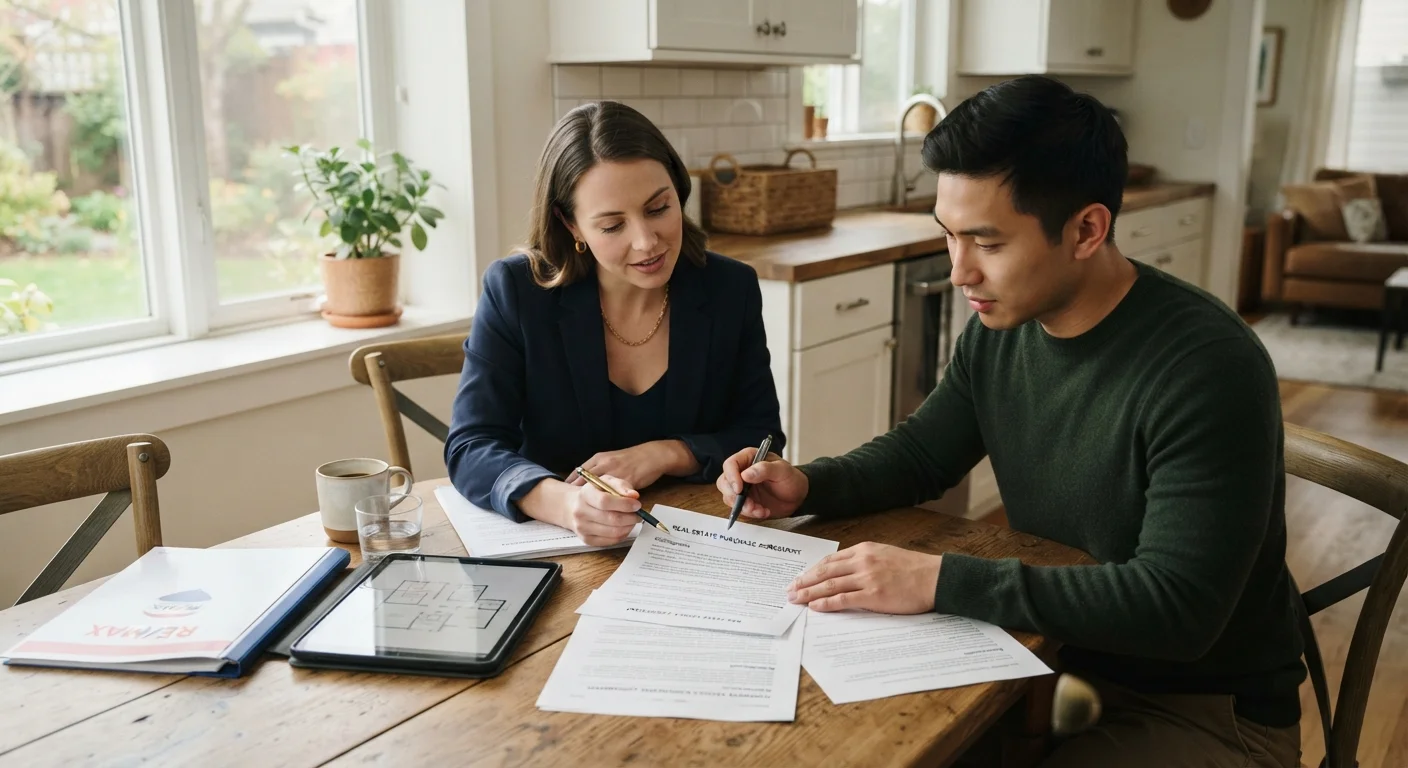
When you make an offer on a home, you're entering a legally binding agreement - and contingencies are the clauses that give you structured ways out if circumstances don't align with what was expected. Think of them as conditional commitments: you agree to buy the home provided certain things check out first.
Without contingencies, your earnest money deposit is largely at risk the moment your offer is accepted. Understanding how earnest money works is essential context - it's the deposit you stand to lose if you back out of a contract without a valid contingency-based reason.
Contingencies don't protect you indefinitely. Each one has a deadline, and buyers who miss those windows may unintentionally waive their rights. Careful calendar management and communication with your agent and attorney matter as much as the contract language itself.
Contingencies Vary by State and Contract Form
The specific language, default timelines, and legal effect of contingencies differ by state and by the contract form used. Some states have standardized purchase agreement forms developed by real estate associations; others rely more heavily on attorney-drafted contracts. Always read the specific contingency language in your contract, and consider consulting a real estate attorney before signing.
The Three Contingencies Buyers Most Commonly Waive
Inspection contingency: This gives you the right to have the property professionally inspected and to cancel or renegotiate if findings are unacceptable. It's often the first contingency buyers consider dropping in a competitive market - but it's also the one that guards against discovering structural damage, failing systems, or safety hazards after closing. Our overview of inspection findings buyers tend to underestimate illustrates why this protection matters more than many buyers assume.
Financing contingency: Also called a mortgage contingency, this protects you if your loan doesn't come through. If a lender declines your application - or changes terms materially - you can exit the contract. Buyers who are only pre-approved, rather than fully underwritten, carry more risk when waiving this clause.
Appraisal contingency: Lenders won't loan more than a home's appraised value. If the home appraises below the purchase price, this contingency gives you the right to renegotiate or cancel. Without it, you'd need to cover any gap in cash or lose your deposit.
~25%
Buyers who waived inspection contingencies in recent competitive markets
National Association of Realtors survey data has reflected elevated contingency waiver rates during periods of low housing inventory and high buyer competition.
1-3%
Typical earnest money deposit as a share of purchase price
This is the amount buyers commonly stand to lose if they exit a contract without a valid contingency, underscoring the financial stakes of waiving protections.
Why Buyers Drop Contingencies - and the Risks They Accept
In competitive markets, sellers often favor offers with fewer contingencies. A buyer waiving all three presents a cleaner, lower-risk deal from the seller's perspective. The pressure to compete is real, and some buyers waive protections without fully understanding what they're giving up.
Waiving an inspection contingency doesn't mean skipping the inspection - many buyers complete a pre-offer walkthrough or hire an inspector before submitting their bid. But an informational inspection has no contractual weight. If significant problems surface after closing, you own them. Knowing what to do with inspection results is a skill that only applies when you've kept that contingency in place.
Waiving the financing contingency is a calculated bet on your loan's certainty. A job change, a large purchase, or a shift in lending conditions between contract and closing can derail approval - and without this clause, you face losing your deposit if the deal collapses. Down payment misconceptions can also affect financing stability in ways buyers don't anticipate.
Get Full Underwriting Before You Waive Financing
A pre-approval letter is only an initial assessment based on a review of your financial profile - it is not a final loan commitment. Ask your lender about full underwriting approval before making an offer, especially if you're considering waiving a financing contingency. Full underwriting approval means the lender has verified your income, assets, and credit in detail, reducing (though not eliminating) the risk that the loan falls through.
Smarter Ways to Stay Competitive Without Full Exposure
Dropping contingencies entirely isn't the only path to a competitive offer. Buyers can shorten contingency windows rather than eliminate them - a 5-day inspection period signals urgency while preserving basic protection. Some buyers offer appraisal gap coverage up to a defined dollar amount, acknowledging the risk while capping their exposure.
Working with a lender who can provide full underwriting approval before the offer stage strengthens your position on the financing contingency without eliminating it entirely. Pre-offer inspections, while imperfect, can give both buyer and seller more confidence going in. If you're weighing ongoing maintenance considerations post-purchase, our analysis of whole-house preventive maintenance contracts provides useful framing for thinking about long-term home upkeep.
No strategy eliminates all risk in a fast-moving market. But buyers who understand exactly what each contingency protects - and what they're accepting when they waive it - make better decisions than those who drop clauses simply to look competitive.
This article is for general informational purposes only and does not constitute legal or financial advice. Consult a licensed real estate attorney and qualified financial professional before making decisions specific to your situation.
Frequently Asked Questions
Without an inspection contingency, you generally have no contractual right to cancel the sale or renegotiate based on the home's condition. You would either need to proceed with the purchase and absorb the repair costs, or forfeit your earnest money if you walk away. This is why understanding the home's condition before waiving this protection is so important.
Yes - you can hire an inspector for informational purposes even without a formal inspection contingency in the contract. However, the results won't give you any contractual leverage to cancel or renegotiate. Some buyers do this to feel more informed while remaining competitive, but it doesn't replicate the legal protection a contingency provides.
Buyers who have been fully underwritten by their lender - not just pre-approved - face considerably less risk waiving a financing contingency. Cash buyers have no need for one at all. For buyers who are only pre-approved, waiving this contingency carries real risk if something changes with their financial profile before closing.
An appraisal gap occurs when a home appraises for less than the agreed purchase price. With a standard appraisal contingency, a buyer can typically cancel or renegotiate. Without it, the buyer must either cover the difference in cash, convince the seller to lower the price, or lose their earnest money. Some buyers include an "appraisal gap clause" agreeing to cover a defined portion of any gap.
Generally yes, because fewer contingencies mean fewer ways the deal can fall apart. In a competitive market, a clean offer can outweigh a slightly higher offer price. However, sellers with motivated circumstances - such as a pending purchase of their own - may accept contingent offers if the price or other terms are favorable.
Timeframes vary by market and negotiation, but inspection contingencies often run 7-14 days, financing contingencies commonly run 21-30 days, and appraisal contingencies typically fall somewhere in between. Local norms and the specific contract terms govern the actual deadlines, so buyers should read their contract carefully.
The content on this site is for informational purposes only and is not a substitute for professional advice. Always consult a qualified professional for guidance specific to your situation.