

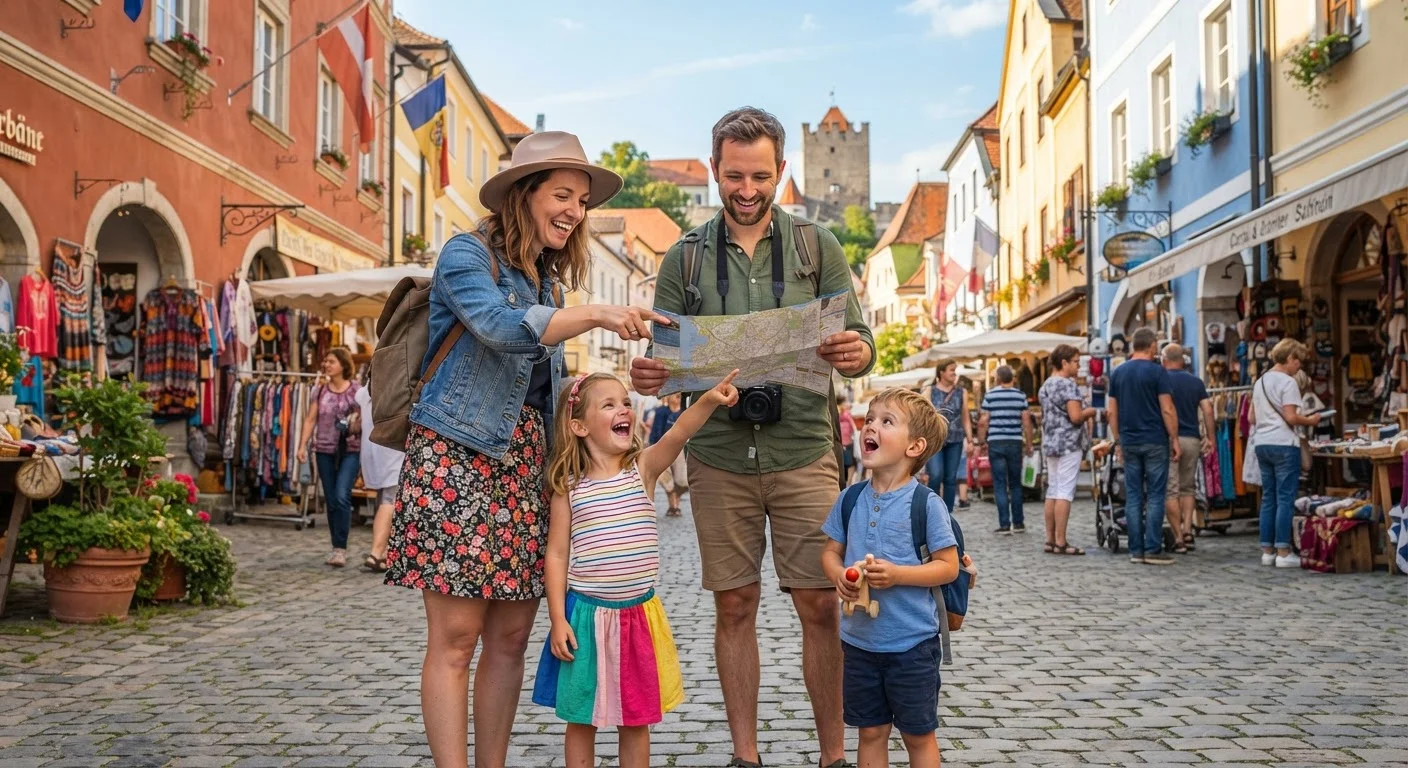
Why Family Travel Is a Different Planning Game
Traveling with children isn't just adult travel with smaller suitcases. The logistics, pacing, and contingency planning required shift dramatically the moment kids enter the picture. Parents who've learned this the hard way - through a meltdown at a crowded museum or a missed connection because a toddler's diaper bag was flagged at security - will tell you: family travel rewards preparation more than any other kind of trip.
The good news is that thoughtful planning genuinely changes the experience. If you're new to building trips from scratch, our ground-up planning guide lays a useful foundation before layering in kid-specific considerations.
Pacing, Schedules, and the Art of the Buffer
Adult travelers can push through an afternoon slump; kids rarely can. Building rest windows into every day - not just nap time for toddlers, but genuine downtime for older children too - is the single adjustment that most transforms a stressful family trip into an enjoyable one.
When you're structuring daily plans, aim for one major activity per half-day rather than back-to-back sightseeing. Our guide to building a travel itinerary that actually works covers the broader principles of balancing activities with breathing room - principles that are doubly important with children in tow.
Safety, Documentation, and Medical Preparedness
Children require a layer of documentation and safety planning that most adult travelers never think about. Before departure, make sure each child has a current photo ID or passport (required for international travel and some domestic cruises), and carry a written copy of emergency contacts, allergies, and insurance information separate from your phone.
Traveling Internationally With a Child Alone
If you're a single parent or traveling with a child without the other legal guardian, some countries require a notarized letter of consent from the absent parent. Requirements vary significantly by destination and change periodically. Always verify current entry rules for your specific destination with official government sources - the U.S. Department of State and the destination country's embassy are the right starting points.
If your child takes prescription medication, bring enough supply for the full trip plus several extra days, and keep medications in their original labeled containers. Research whether your destination has pediatric medical facilities within a reasonable distance - this is especially relevant for remote or adventure destinations. For international travel, verify entry requirements and health recommendations with official government sources before booking, as these can change.
Families traveling abroad should also confirm passport validity: many countries require a passport valid for at least six months beyond your travel dates. Check the U.S. Department of State's travel website for current, destination-specific guidance.
Booking Flexibility and Budget Realities
Children get sick. Flights get missed. Refundable or changeable bookings are worth paying a modest premium for when you're traveling with kids - the peace of mind alone has real value, and the savings from a non-refundable rate evaporate quickly if you have to forfeit it.
~$500-$1,000+
Typical added cost per child on a family vacation
Travel industry surveys consistently show that child-related extras - activity fees, additional meals, gear - add several hundred to over a thousand dollars to family trips versus adult-only travel of the same duration.
72%
Parents who say pacing is the hardest family travel adjustment
A widely cited travel survey found nearly three in four parents named managing children's energy levels and scheduling rest as their biggest trip-planning challenge.
Family travel also costs more than the math of "adults plus kids" suggests. Additional meals, activity fees, and child-specific gear add up. Running through a pre-trip budget checklist before finalizing plans helps families catch hidden costs early. For broader money-stretching ideas, the strategies for spending less without sacrificing the trip article is worth a read alongside your family planning.
Finally, loop your kids into the planning process - even briefly. Children who know what to expect from a trip are more cooperative on the road. A five-minute conversation about what the day holds goes a long way.
The content on this site is for informational purposes only and is not a substitute for professional advice. Always consult a qualified professional for guidance specific to your situation.