

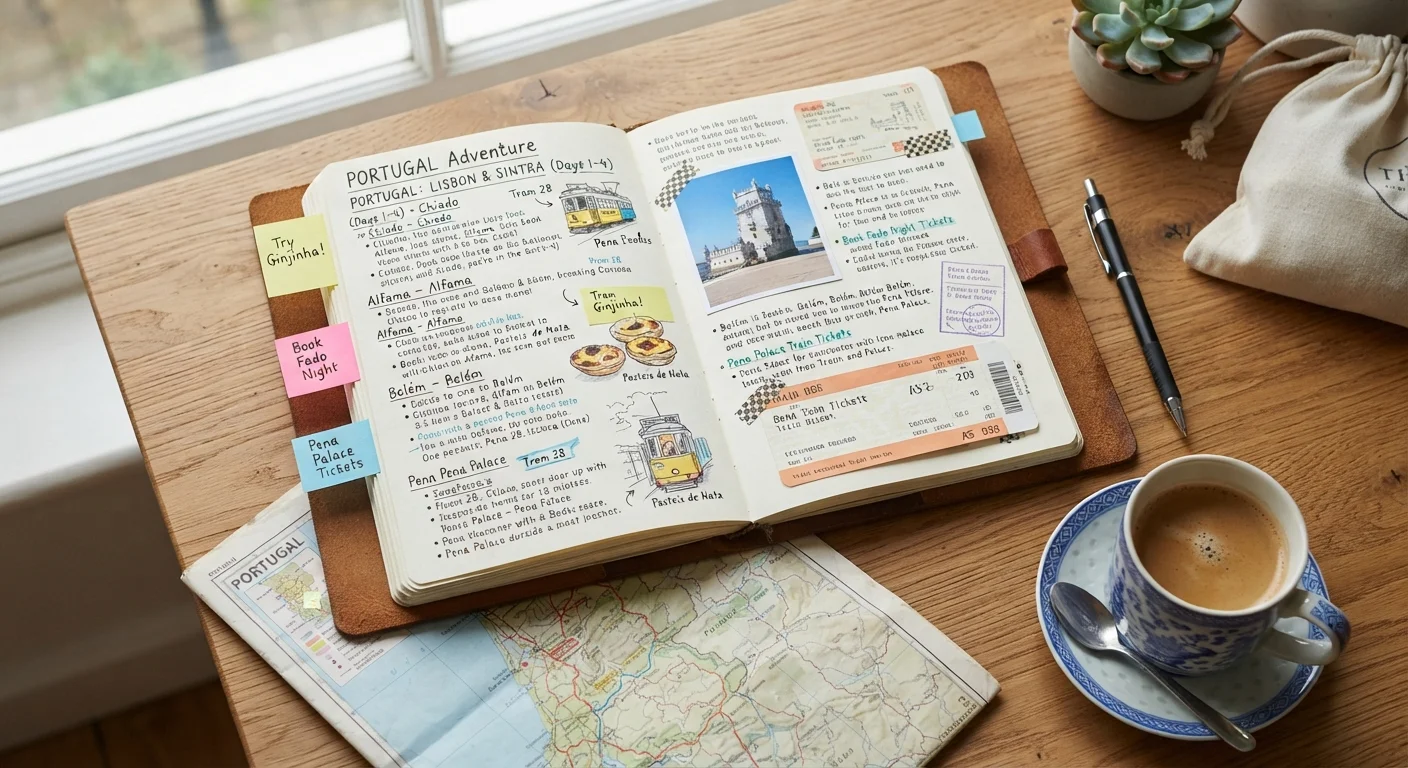
Why Most Itineraries Fall Apart
Most travel plans don't fail because of bad luck - they fall apart because they were never realistic in the first place. Travelers underestimate transit time, skip buffer space, and try to cram in every highlight they researched online. The result is a trip that feels more like a checklist than a vacation.
A workable itinerary isn't about planning every minute. It's about creating a structure loose enough to breathe but firm enough to keep you on track. If you've ever come home from a trip feeling exhausted instead of refreshed, the plan itself was likely the culprit. Our guide on why overpacking an itinerary ruins vacations unpacks exactly how this happens - and how to avoid it.
Think in energy, not just time
When reviewing a day's plan, ask whether your energy will realistically match the schedule - not just whether the hours add up. A full-day hike followed by a three-hour dinner reservation sounds doable on paper but exhausting in practice. Plan your most demanding activities for when you're freshest, typically the morning of your first full day at a destination.
What You'll Need Before You Start
Before diving into day-by-day planning, gather the foundational details that everything else hinges on. You don't need a sophisticated app - a shared document or even a printed worksheet works fine.
What you will need
If you're traveling with kids, the logistics shift considerably. Our article on planning considerations for family trips covers the scheduling factors parents consistently wish they'd thought about earlier.
Step-by-Step: Building Your Itinerary
Follow these steps in order. Skipping ahead - especially to activity research before you've locked in logistics - is where most itineraries go sideways.
Lock in your fixed anchors first
Before you think about activities, confirm your non-negotiables: flight arrival and departure times, accommodation check-in/check-out, and any pre-booked tours or reservations. Add these to a simple calendar grid - one column per day. Everything else gets built around these fixed points.
Estimate realistic travel times between locations
Look up actual transit times - not just distances - between your accommodation and each planned stop. Factor in walking, waiting for transit, and local traffic patterns. A museum 3 miles away could take 45 minutes during rush hour. Underestimating this is one of the most common planning mistakes.
Group activities by geographic zone
Organize each day around a neighborhood, district, or geographic cluster rather than topic (e.g., all museums on Tuesday). Visiting a waterfront café, a nearby market, and a coastal walk on the same day beats crisscrossing the city for thematically related spots. This approach slashes transit time and preserves energy.
Limit yourself to two or three meaningful experiences per day
Resist the urge to fill every hour. Two or three well-paced activities - with meals and transit woven in - will feel complete and satisfying. More than that and you're likely to skim the surface of each place rather than actually experience it. This is especially important on travel days and the final day of any trip.
Build in at least one buffer block per day
Reserve 60-90 minutes somewhere in each day with nothing scheduled. Label it 'flex time' on your plan. This block absorbs delays, extends a meal you're enjoying, accommodates spontaneous discoveries, or simply lets you rest. Trips that include breathing room are consistently more enjoyable than tightly packed ones.
Save your itinerary offline and share it with someone at home
Export or screenshot your full plan and store it somewhere accessible without internet - your phone's notes app, a downloaded PDF, or a printed copy. Share a copy with a trusted contact back home. If your phone is lost or connectivity fails, you'll still have your plan and someone will know your whereabouts.
For a broader end-to-end framework covering everything from destination research to packing, see our complete trip planning playbook.
Keeping Costs Aligned With Your Plan
A well-structured schedule naturally supports smarter spending. When you group activities geographically, you spend less on transportation. When you build in downtime, you're less likely to make impulsive purchases out of exhaustion or boredom. Our complete guide to building a travel budget walks through estimating and tracking costs at every stage of your trip.
Don't let your budget drift mid-trip
Even a solid itinerary can wreck a budget if you haven't anticipated how spending shifts day to day. High-activity days often cost more than quiet ones - entrance fees, transport, and meals all add up faster than expected. Review your spending briefly each evening so you can adjust the following day before small overruns compound.
Meals deserve their own line in your plan - both time and money. Knowing roughly where you'll eat each day prevents the expensive default of grabbing whatever is nearest. For practical strategies, see our guide on eating well on a travel budget.
The content on this site is for informational purposes only and is not a substitute for professional advice. Always consult a qualified professional for guidance specific to your situation.