

How to Read Dashboard Warning Lights
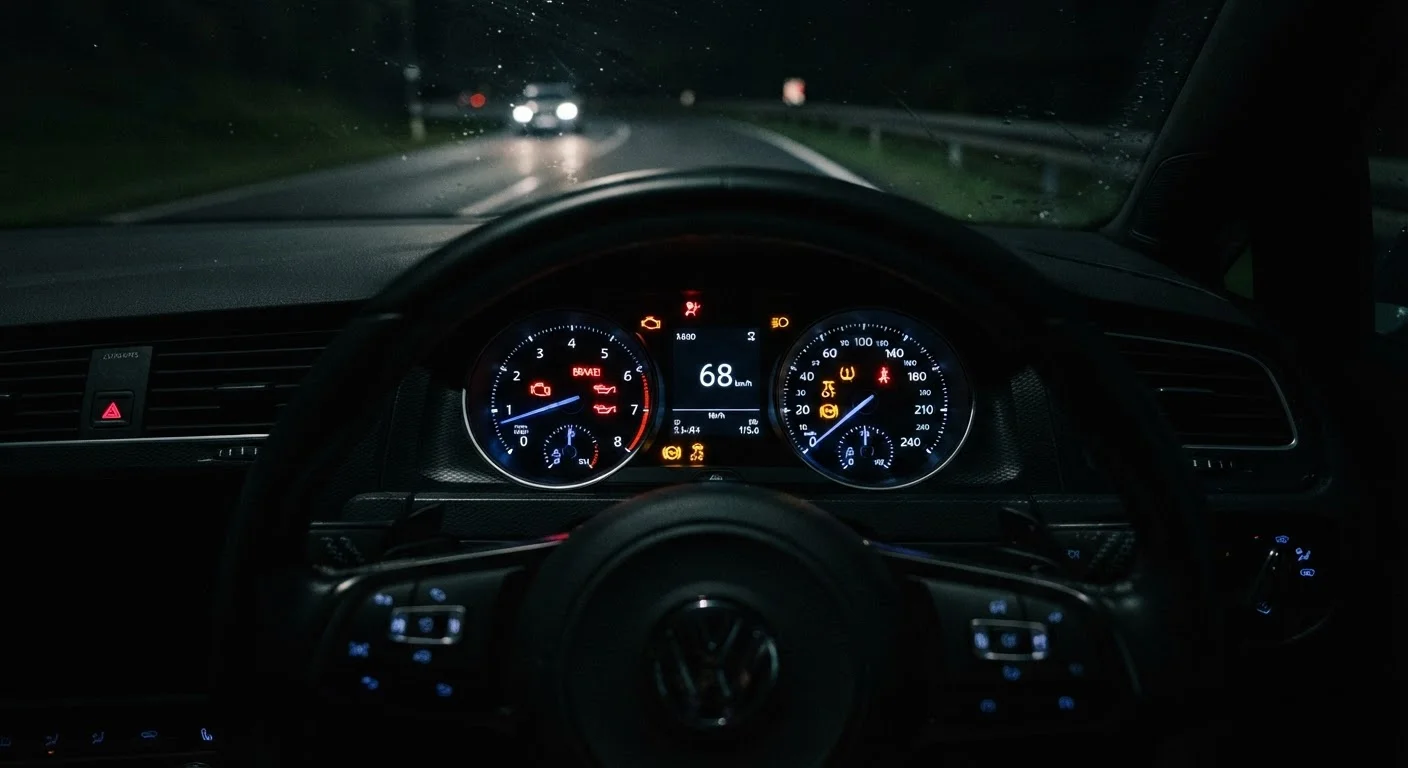
Your dashboard uses a color-coded system to communicate urgency. Red lights signal serious, often immediate problems - stop driving safely as soon as possible. Amber or yellow lights indicate caution; the issue needs attention soon but rarely demands you pull over instantly. Green and blue lights are informational, confirming that a system (like high beams or cruise control) is active.
Every time you start your car, the dashboard performs a self-check, briefly illuminating most symbols. If a light stays on after the engine runs for a few seconds, it's flagging a real condition. Never assume a persistent warning light will resolve itself - doing so risks compounding the underlying problem.
| Warning light colors | Red = urgent, Amber = caution, Green/Blue = informational |
| Check engine light causes | Hundreds of possible codes - requires OBD-II scan to diagnose |
| TPMS required on | All new passenger vehicles sold in the U.S. since 2008 (NHTSA TPMS standard) |
| Flashing vs. steady check engine | Flashing = active misfire, reduce speed and seek service urgently |
| Oil pressure risk window | Engine damage can occur within minutes of low oil pressure operation |
For a broader understanding of what's happening under the hood when these lights trigger, see our engine bay orientation guide.
Red Lights: Act Promptly
These indicators represent the most urgent conditions your vehicle can report.
OBD-II
On-Board Diagnostics II - a standardized system built into vehicles sold in the U.S. after 1996 that monitors engine and emissions performance and stores diagnostic trouble codes (DTCs) when a fault is detected.
TPMS
Tire Pressure Monitoring System - a sensor-based system that alerts the driver when one or more tires falls significantly below the recommended inflation level.
Coolant
A liquid mixture (typically water and antifreeze) that circulates through the engine to regulate temperature. Low coolant can cause rapid overheating and engine damage.
Diagnostic Trouble Code (DTC)
A standardized alphanumeric code stored by the OBD-II system that identifies the specific system or component triggering a warning light. Mechanics read these codes with a scanner.
Charging System
The combination of the alternator, battery, and related wiring that generates and stores electrical power while the engine runs. A fault here can leave a vehicle without power.
- Oil Pressure Warning (oil can symbol): Engine oil pressure has dropped critically. Pull over and shut off the engine as soon as it is safe to do so. Running without adequate oil pressure can cause permanent, expensive engine damage within minutes.
- Engine Temperature Warning (thermometer in liquid): The engine is overheating. Turn off the A/C, avoid stop-and-go traffic if possible, and pull over safely. Let the engine cool before checking coolant levels - never open a hot radiator cap.
- Battery/Charging System (battery symbol): The electrical charging system is failing. You may have limited time before the car loses power entirely. Minimize electrical loads and head to a repair facility promptly.
- Brake System Warning (exclamation mark in circle): If your parking brake is off and this light is on, it may indicate low brake fluid or a hydraulic fault. Have brakes inspected immediately - do not defer this one.
Amber Lights: Schedule Service Soon
Amber indicators rarely require immediate roadside action, but they should prompt a service appointment within days, not weeks.
A Loose Gas Cap Can Trigger the Check Engine Light
One of the most common - and simplest - causes of a check engine light is a loose, damaged, or missing fuel cap. The cap seals the evaporative emissions system; if it isn't seated properly, the system detects a leak and stores a code. Tighten or replace the cap, and the light may clear on its own after several drive cycles. If it doesn't clear, have the code read to rule out other causes.
- Check Engine (engine outline): This catch-all signal can range from a loose gas cap to a misfiring cylinder or failing catalytic converter. A mechanic's OBD-II scanner reads the stored code to pinpoint the cause. A steady light means schedule service; a flashing light means reduce speed and seek service urgently.
- Tire Pressure Monitoring System - TPMS (flat tire with exclamation): One or more tires is significantly under- or over-inflated. Check pressure at your earliest opportunity. Under-inflation increases blowout risk and reduces fuel efficiency.
- Traction Control / Stability Control (car with wavy lines): When flashing during driving, it means the system is actively working to prevent a skid - normal in slick conditions. A steady light indicates the system is off or has a fault.
- Transmission Temperature (gear with thermometer): The transmission fluid is overheating, often from towing, heavy loads, or low fluid. Ease off the load and have the transmission inspected.
Staying current with scheduled service intervals can prevent many of these amber lights from appearing. Our car maintenance schedule guide explains what each service interval covers and why timing matters.
When to Pull Over vs. When to Drive to a Shop
Not every warning light means you're stranded. Use this general framework:
- Pull over immediately: Oil pressure, engine temperature in the red zone, brake failure, or any light accompanied by unusual sounds, smells, or loss of vehicle control.
- Drive directly to a shop (no highway driving): Battery/charging warning, flashing check engine light, transmission temperature.
- Schedule an appointment within a few days: Steady check engine light, TPMS, service reminder lights.
If you're uncertain, err on the side of caution. Calling a roadside assistance service or your mechanic for guidance is always a reasonable step. Before longer trips, a quick vehicle check can help catch issues before a warning light ever appears - see our pre-trip safety walkthrough for a practical routine.
1 in 3
U.S. vehicles with at least one unresolved warning light
According to CarMD's Vehicle Health Index, roughly one in three vehicles on U.S. roads has an illuminated check engine light at any given time.
~$400
Average check engine repair cost when promptly addressed
Industry repair data consistently shows that delaying diagnosis of a check engine condition typically increases repair costs significantly.
The content on this site is for informational purposes only and is not a substitute for professional advice. Always consult a qualified professional for guidance specific to your situation.