

Why Car Costs Creep Up - and How to Regain Control
For most American households, a vehicle is either the largest or second-largest monthly expense after housing. The sticker price is just the beginning: fuel, insurance, registration, tires, scheduled maintenance, and unexpected repairs stack up in ways that can quietly erode a tight budget. The good news is that many of these costs are partially within your control - not by cutting corners on safety, but by making deliberate, informed decisions throughout the year.
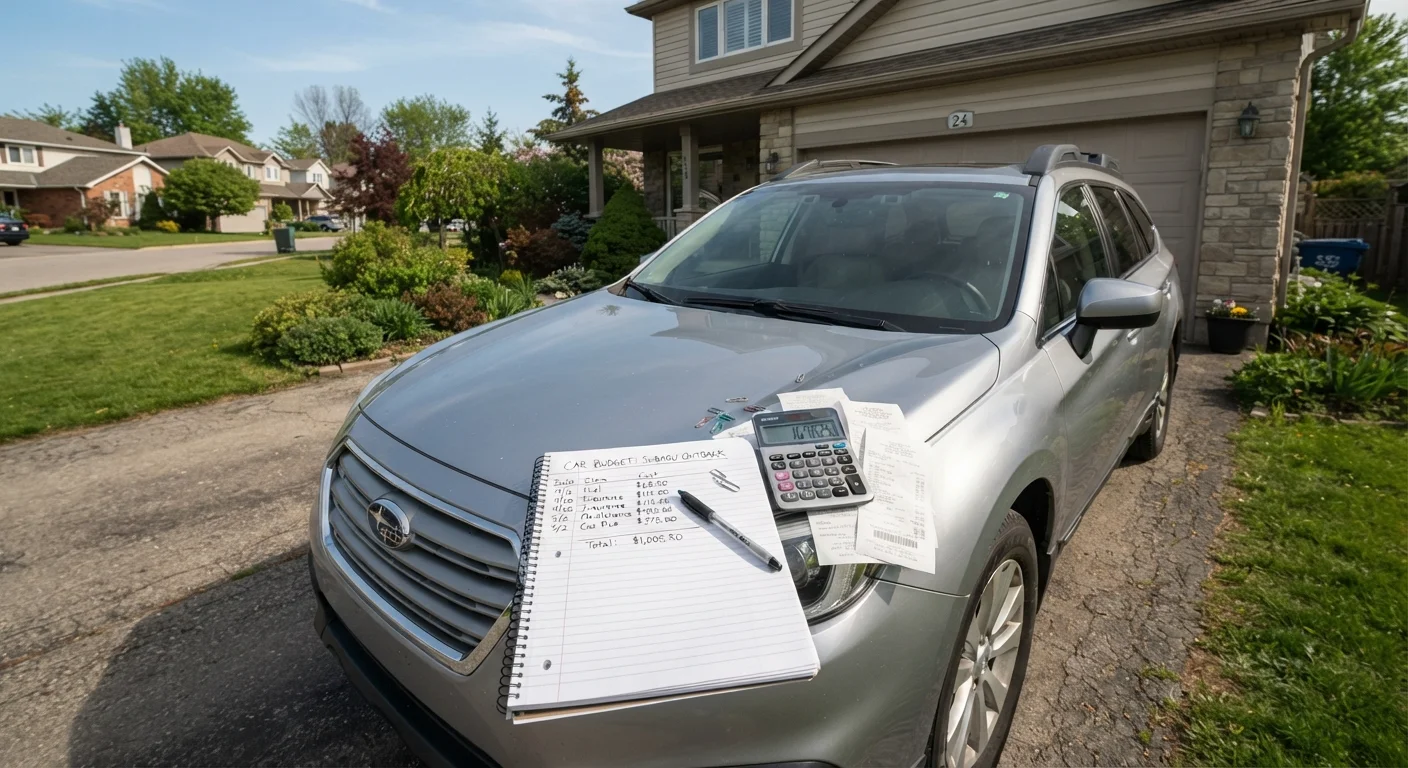
Understanding the full picture of what you're spending is the first step. Pull together three to six months of car-related receipts and statements. You may find that irregular costs - an unplanned brake job, a tire replacement - are actually recurring in a predictable pattern. Once you see the real numbers, you can plan around them instead of being blindsided.
For a structured approach to annual planning, see our annual car ownership checklist covering registrations, insurance reviews, and maintenance milestones.
Follow your manufacturer's maintenance schedule without skipping intervals.
Deferred maintenance - skipped oil changes, ignored fluid flushes, overdue timing belt replacements - turns small, inexpensive services into major failures. A $60 oil change skipped repeatedly can lead to engine damage costing thousands. Staying current is the single most reliable way to avoid large, unplanned repair bills.
Review your auto insurance coverage at every renewal - not just the premium.
Insurers adjust rates based on actuarial data, local claims trends, and your own risk profile. A policy that was competitive two years ago may no longer be. Beyond price, your coverage needs may also change - if your vehicle's market value has dropped significantly, carrying full comprehensive and collision coverage may no longer make financial sense.
Adopt smooth, anticipatory driving habits to reduce fuel and brake wear simultaneously.
Aggressive acceleration and hard braking consume more fuel and wear brake pads and rotors faster than gentle, anticipatory driving. These habits cost nothing to change and reduce two expense categories at once. Fuel economy improvements from smoother driving are well-documented and can range from 10% to 40% depending on conditions.
Build a dedicated car emergency fund, even modestly.
Without a financial buffer, unexpected repairs force costly decisions: deferred fixes that compound into larger failures, high-interest credit card debt, or being left without transportation. Even $50 per month set aside in a dedicated account creates a cushion that keeps small problems from becoming financial crises.
Get multiple repair estimates before authorizing non-emergency work.
Labor rates and parts markups vary considerably between repair shops, dealers, and independent mechanics. For non-urgent repairs, taking time to get two or three estimates is a straightforward way to avoid overpaying - and it also gives you a chance to evaluate how clearly each shop communicates the problem and solution.
Quick Actions You Can Take This Week
Not every cost-saving strategy requires months of planning. Several high-impact habits can be adopted immediately and begin paying off within your next fill-up or billing cycle.
For broader context on how your driving behavior connects to safety and efficiency, explore our Driving & Safety hub.
The Repair-or-Replace Decision: Getting the Math Right
One of the most stressful moments in car ownership is facing a repair estimate that approaches - or exceeds - what you think the car is worth. Emotion and urgency often drive decisions here, but the better approach is a straightforward financial comparison.
$12,182
Average annual cost to own and operate a vehicle
According to AAA's annual Your Driving Costs study, the total cost of ownership - including fuel, insurance, maintenance, and depreciation - averages over $12,000 per year for a typical new sedan.
Up to 40%
Fuel savings from smoother driving habits
The U.S. Department of Energy estimates that aggressive driving can lower fuel economy by 10%-40% on the highway compared to steady, anticipatory driving.
A general rule of thumb: if a single repair costs more than one year's worth of car payments on a replacement vehicle, and if the car has a pattern of compounding problems, replacing may be worth considering. However, if the vehicle is otherwise mechanically sound, repairing is almost always cheaper in the short term - even at a few thousand dollars - compared to taking on new loan payments, higher insurance premiums, and sales tax on a newer vehicle.
Our article on keeping a car vs. buying a new one walks through the depreciation curves and loan math in detail.
Market Value Is Not the Same as Your Emotional Value
When evaluating a repair-or-replace decision, use an objective market valuation tool - such as a published industry guide - rather than estimating what you feel the car is worth. A vehicle you've owned for years may feel valuable, but its actual resale market value is what matters in the financial calculation. Being honest about this distinction leads to better decisions.
This article is for general informational purposes only and does not constitute financial or mechanical advice. For decisions involving significant vehicle expenses, consult a qualified mechanic and, where relevant, a licensed financial adviser.
The content on this site is for informational purposes only and is not a substitute for professional advice. Always consult a qualified professional for guidance specific to your situation.