

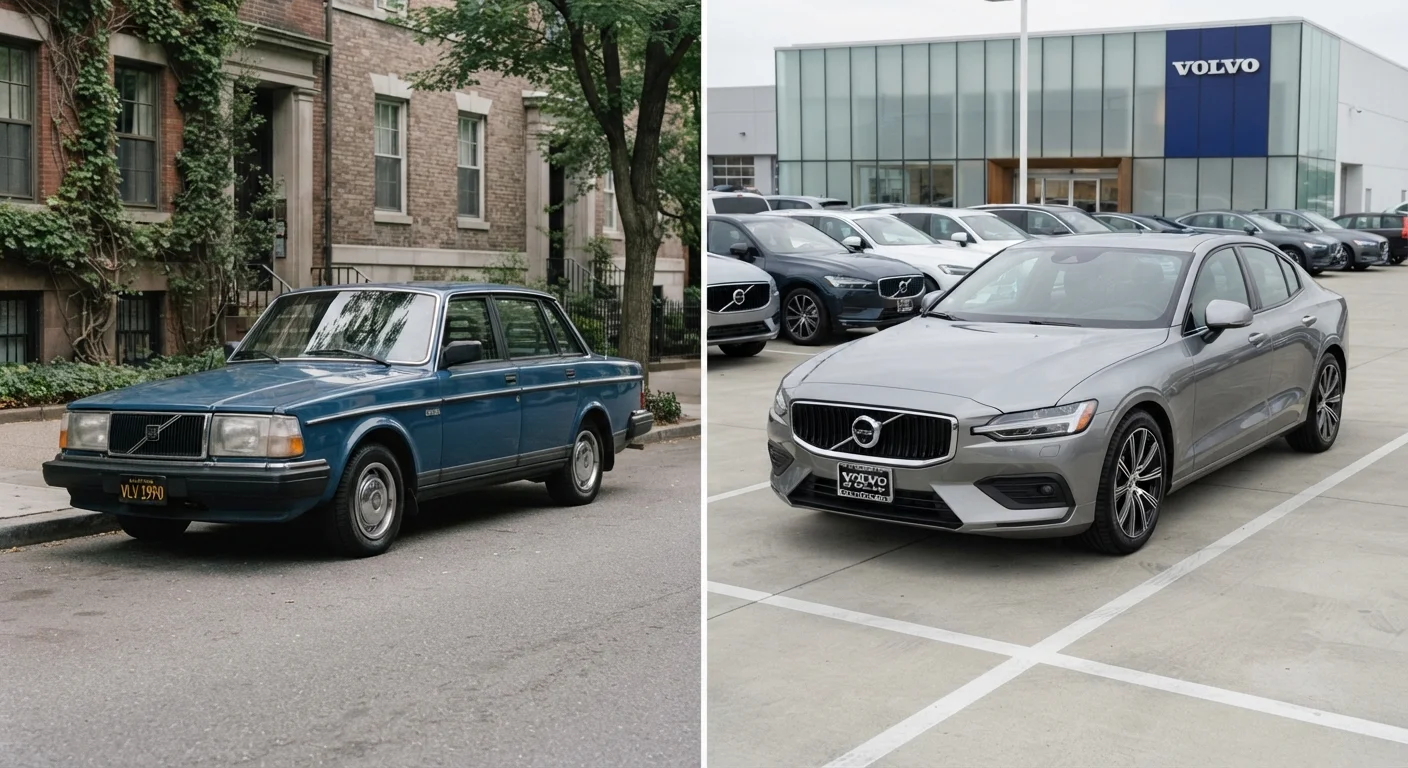
Our Verdict
For most drivers, keeping a reliable paid-off vehicle is the more cost-effective choice in the short and medium term. Buying new makes stronger financial sense when a vehicle becomes mechanically unpredictable, when safety needs have changed, or when the cost of ongoing repairs consistently exceeds what a loan payment would cost. Run the numbers specific to your car before deciding.
| Best for | Recommended |
|---|---|
| Drivers with a mechanically sound, paid-off vehicle | Keep the current car |
| Those facing repair costs near or exceeding vehicle market value | Buy a different vehicle |
| Budget-conscious drivers wanting predictable monthly expenses | Keep the current car |
| Drivers whose safety or reliability needs have significantly changed | Buy a different vehicle |
The Core Financial Logic
The question of whether to keep your current car or buy a new one is fundamentally a cost comparison - but the math is less obvious than most people expect. The instinct to replace a car once it starts needing repairs often leads people to overlook how expensive new vehicles actually are to own.
Understanding the full cost of ownership is the essential starting point. Beyond any loan payment, a new vehicle brings insurance rate increases, registration fees tied to a higher vehicle value, and - most significantly - rapid depreciation. Depreciation is the largest single cost of owning a new vehicle, often accounting for thousands of dollars in lost value during the first year alone.
By contrast, a paid-off older vehicle has already absorbed most of its depreciation loss. Your monthly outlay is limited to insurance, fuel, maintenance, and whatever repairs arise. Even a $1,500 repair on a vehicle you own outright may cost less annually than twelve months of loan payments on a replacement.
~$12,000
Average new-vehicle depreciation in year one
Industry analysts estimate new cars lose roughly 15-25% of their value in the first year, often exceeding $10,000-$12,000 on average-priced models.
$1,200-$1,500
Typical annual maintenance cost for an older vehicle
AAA's vehicle cost research consistently finds that older paid-off vehicles cost significantly less per year than carrying a new-car loan, even accounting for higher repair frequency.
When Keeping the Car Wins
Holding onto your current vehicle makes strong financial sense in several circumstances:
- The vehicle is paid off and mechanically sound. No payment obligation means every repair dollar is still likely cheaper than financing an equivalent replacement.
- Repair costs are below 50% of the vehicle's current market value per year. A common rule of thumb among financial planners is that annual repair costs need to approach or exceed the car's private-party resale value before replacement becomes cost-competitive.
- The vehicle has a reliable service history. A car you know - with documented maintenance - carries less uncertainty than an unfamiliar used vehicle or the depreciation exposure of a new one.
Routine upkeep also extends this window considerably. Staying current with essential car maintenance - oil changes, tire rotations, brake inspections - reduces the likelihood of large unexpected repairs and keeps a vehicle dependable for significantly longer. For practical strategies on managing these costs, see managing car ownership costs on a tight budget.
Get a Pre-Decision Inspection
Before committing to either keeping or replacing your vehicle, have a trusted independent mechanic perform a thorough inspection. A $100-$150 inspection can surface upcoming repair needs you're unaware of and give you a realistic picture of what the next 12-24 months of ownership might cost - making the comparison much more concrete.
When Buying a Different Vehicle Makes Sense
There are real situations where replacing a vehicle is the financially responsible move, not just an emotional one:
- Repair costs are escalating and unpredictable. When a single major failure (transmission, engine, head gasket) carries a repair estimate close to or exceeding what the vehicle is worth on the market, the calculus shifts. Paying $4,000 to repair a car worth $5,000 is defensible once; doing it repeatedly is not.
- Safety systems are outdated. Modern vehicles include driver-assistance technologies - automatic emergency braking, lane-departure warning, blind-spot monitoring - that older vehicles simply lack. For drivers with changed circumstances (new commute, young children, health considerations), this gap has genuine value.
- Reliability is affecting your livelihood. If an unreliable vehicle is causing missed work or requiring rental cars, the hidden cost of keeping it rises substantially.
If you do decide to replace your vehicle, the financing choice matters significantly. Leasing and financing carry very different cost structures and long-term implications - it's worth understanding both before committing.
| Keeping Current Vehicle | Buying a New/Different Vehicle | |
|---|---|---|
| Monthly cost | Low (if paid off) | Higher (loan + insurance increase) |
| Depreciation exposure | Minimal (already absorbed) | High in first 1-3 years |
| Repair unpredictability | Higher as mileage increases | Lower for first few years |
| Safety technology | Limited on older models | Modern driver-assist features available |
| Financial risk | Unexpected repair bills | Loan obligation regardless of circumstances |
| Best scenario | Reliable, paid-off vehicle | Frequent costly repairs or safety concerns |
Running the Numbers for Your Situation
No general rule substitutes for doing the arithmetic on your specific vehicle. A useful framework:
- Estimate your current vehicle's market value using resources like Kelley Blue Book or a local dealer appraisal.
- Project your next 12 months of repair costs based on known issues and upcoming maintenance (timing belt, tires, brakes).
- Calculate the total cost of a replacement - loan payments, higher insurance, registration - for the same 12-month period.
- Compare the two totals honestly. Factor in the reliability risk of keeping the current vehicle if it has been unpredictable.
One variable that surprises many drivers: buying a newer used vehicle - rather than a brand-new one - can significantly reduce the depreciation penalty while still improving reliability and safety. The sharpest part of the depreciation curve occurs in the first 36 months; a three-year-old vehicle has already absorbed much of that loss.
This article provides general financial information for educational purposes only and does not constitute personalized financial or legal advice. For guidance specific to your situation, consult a qualified financial professional.
The content on this site is for informational purposes only and is not a substitute for professional advice. Always consult a qualified professional for guidance specific to your situation.