

Why Plant-Centered Eating Can Actually Cost Less
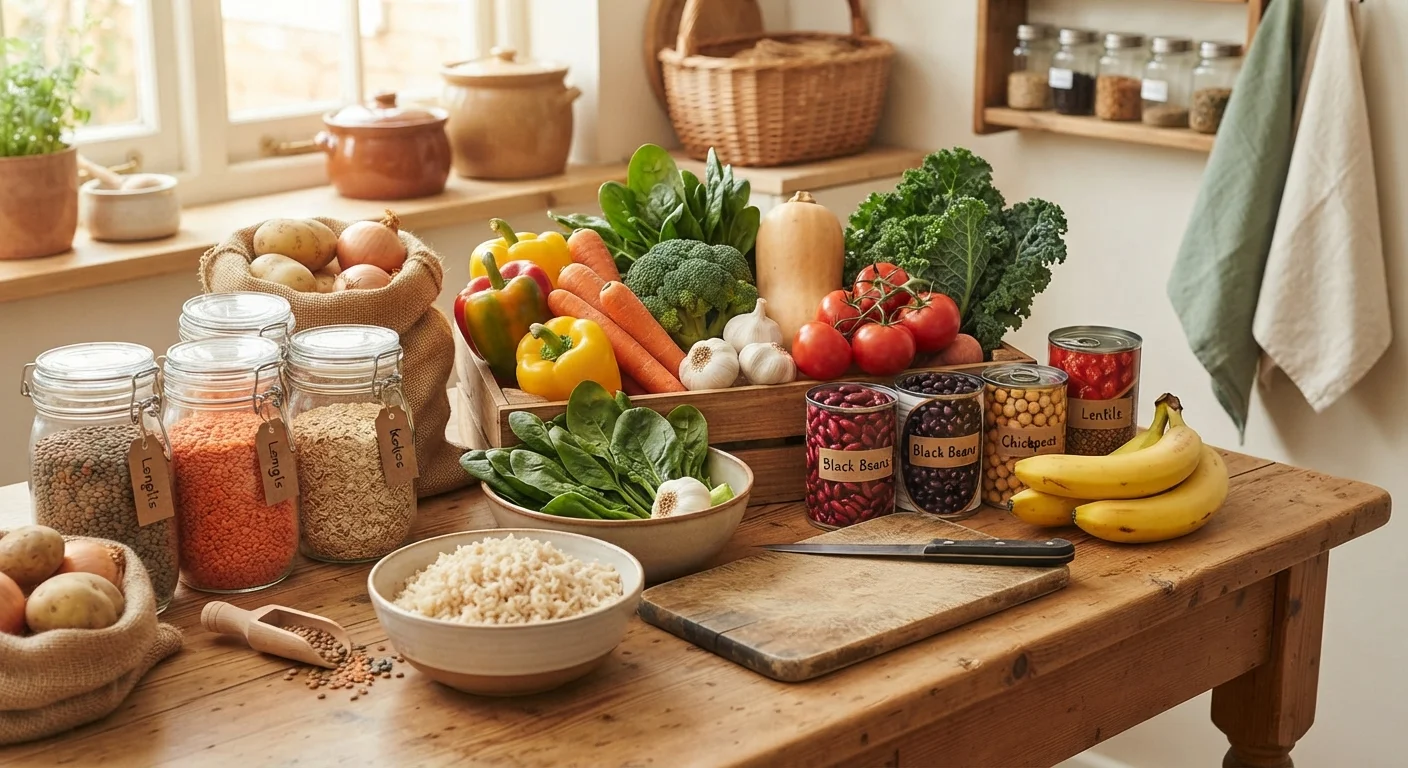
A persistent misconception holds that eating more plants - particularly in the specialty or health-food aisle - is inherently expensive. That perception is shaped by premium products: pre-made grain bowls, plant-based meat substitutes, and organic superfoods. But the foundation of plant-based eating has always been among the cheapest food on any grocery shelf. Dried lentils, canned chickpeas, brown rice, oats, cabbage, carrots, and frozen spinach are reliably affordable regardless of where you shop.
According to analysis published by the USDA, legumes and grains consistently rank among the lowest-cost protein and calorie sources available in American grocery stores. Shifting even a portion of weekly protein intake from animal to plant sources tends to reduce overall food spending - particularly in households that currently buy significant amounts of beef, pork, or poultry.
The goal here isn't ideological commitment to a label. It's practical: more plants, less waste, lower cost, and - according to substantial nutrition research - meaningful long-term health benefits. Most Americans fall short on dietary fiber, and plant foods are its primary source.
This Is General Nutrition Information
The guidance in this article is for general educational purposes and does not constitute medical or dietary advice. Individual nutritional needs vary based on health conditions, medications, and life stage. If you have a chronic condition, are pregnant, or are managing a specific health concern, consult a registered dietitian or your healthcare provider before making significant changes to your eating pattern.
What You'll Need Before You Start
What you will need
Dry measuring cups and a kitchen scale
Accurately measure bulk staples like dried beans, lentils, and grains to manage portions and track costs per serving.
Large pot or Dutch oven
Essential for cooking dried beans, soups, stews, and grain-based dishes in bulk.
Freezer-safe storage containers
Store batch-cooked legumes and grains in single-meal portions to reduce waste and simplify weeknight meals.
Slow cooker or instant pot
Hands-off cooking of dried beans and whole grains, reducing active time while maximizing yield.
Cook Once, Eat Multiple Times
A large pot of beans, a grain like farro or brown rice, and a batch of roasted vegetables can form the backbone of four or five different meals across the week. This approach reduces both food waste and weeknight decision fatigue. See our practical kitchen strategies for busy households for more batch-cooking ideas.
Step-by-Step: Building a Budget-Friendly Plant-Based Approach
Audit your current grocery spending
Before changing what you buy, spend one week tracking where your grocery dollars actually go. Review receipts or bank statements and roughly categorize spending: meat and seafood, dairy, packaged snacks, fresh produce, and pantry staples. This baseline tells you where plant-based substitutions will have the greatest financial impact - usually in the meat and packaged food categories.
Stock a plant-based pantry foundation
The most cost-effective plant proteins are shelf-stable: dried lentils, split peas, chickpeas, black beans, and kidney beans. Whole grains - rolled oats, brown rice, barley, and farro - add staying power at low per-serving cost. These items purchased in larger quantities from bulk bins or store-brand bags typically cost a fraction of their convenience-food counterparts.
Canned options (low-sodium where available) are a perfectly reasonable alternative when time or cooking access is limited. The nutritional differences between canned and dried legumes are modest, and the convenience can prevent a lapse back to pricier choices.
Plan two or three meat-free meals per week
A full dietary overhaul is rarely necessary or sustainable. A more durable approach is identifying two to three dinners per week where a plant protein replaces meat without anyone at the table feeling shortchanged. Lentil tacos, black bean soup, chickpea stir-fry, and pasta with white beans are filling, familiar formats that translate well.
For families with picky eaters, starting with dishes where the plant protein is integrated rather than featured - a chili with both beef and black beans, gradually shifting the ratio - often meets less resistance. Research-backed habit strategies consistently show that gradual shifts outlast dramatic ones.
Prioritize frozen and in-season produce
Fresh vegetables out of season are expensive and often nutritionally inferior to their frozen counterparts, which are typically harvested at peak ripeness and flash-frozen. Frozen spinach, broccoli, peas, corn, and edamame are workhorses of an affordable plant-forward kitchen. For fresh produce, buying what's currently in season - squash in fall, greens in spring, tomatoes in summer - keeps costs down while supporting dietary variety.
For ideas on increasing vegetable intake without major diet changes, small additions like stirring frozen spinach into pasta sauce or adding a handful of frozen peas to rice require almost no effort and add real nutritional value.
Build a weekly shopping list around plant staples
Intentional list-making prevents the impulse purchases and overlooked staples that inflate grocery bills. Organize your list around meals you've planned, anchoring each meal to at least one plant protein and one vegetable. Our nutrition-conscious grocery checklist offers a practical shopping framework organized by food group.
Reduce reliance on heavily processed plant-based convenience products - many are expensive, high in sodium, and no more nutritious than whole-food alternatives. Whole foods like tofu, tempeh, eggs (for those who include them), and legumes offer more nutritional value at lower cost.
[warning_callout]Batch-cook and use your freezer strategically
Cooking a large batch of dried beans or grains on a weekend and portioning it into freezer containers effectively creates a personal convenience-food supply at whole-food prices. Cooked beans freeze well for up to three months. This approach is especially valuable for households where time during the week is limited.
Keeping It Sustainable Over Time
The households that successfully sustain plant-forward eating aren't the ones who committed to perfection on day one. They're the ones who made small, consistent changes that fit their actual schedules, budgets, and preferences. Letting go of the idea that every meal needs to be entirely plant-based removes a significant psychological barrier.
Track your grocery spending month over month once you've begun making substitutions. Most households find a meaningful reduction within the first four to six weeks, not because they're eating less, but because beans and lentils simply cost less per serving than most animal proteins. That difference compounds across a year.
If growing some of your own food is appealing, even a modest container garden can supplement fresh herb and greens costs. Our seasonal garden planning guide offers a practical starting point for American home gardeners at any experience level.
This article provides general nutrition and budgeting information for educational purposes only. It is not a substitute for personalized advice from a registered dietitian, nutritionist, or qualified healthcare provider. Individual dietary needs vary significantly. Always consult a qualified professional before making significant changes to your diet, especially if you have a health condition or specific nutritional concerns.
The content on this site is for informational purposes only and is not a substitute for professional advice. Always consult a qualified professional for guidance specific to your situation.