

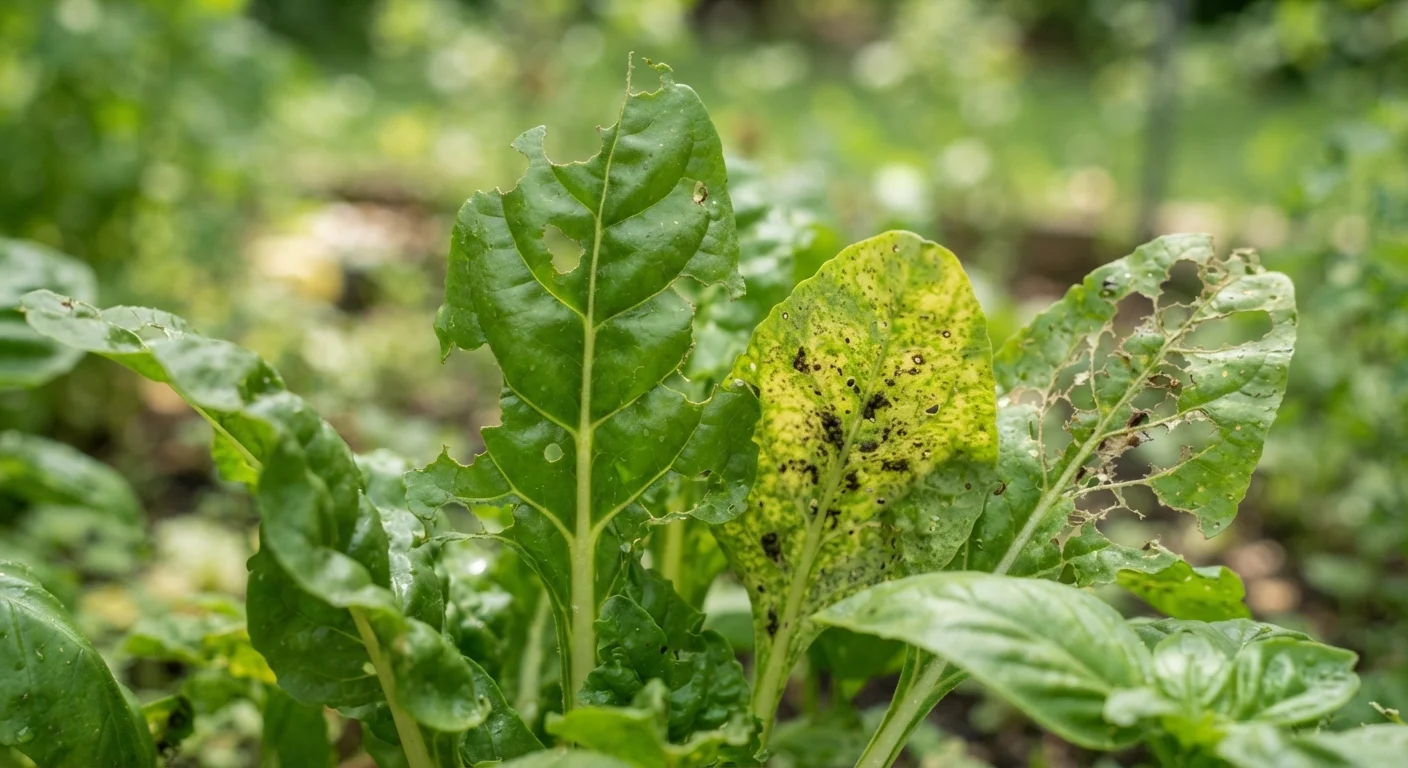
Reading Your Plants Like a Map
A garden that looks healthy one week can show worrying signs the next - but the damage plants sustain is rarely random. Every pest feeds in a particular way, targets specific plant tissues, and leaves behind distinctive clues. Learning to read those patterns gives you a significant head start, because the earlier you catch a problem, the easier it is to manage before populations grow or spread to neighboring plants.
This guide walks through the most common garden pests found in American home gardens and focuses specifically on the damage signatures each one leaves behind. Before the first seed goes in each season, it also helps to run through a solid pre-season garden checklist so your beds are set up as defensively as possible from the start.
Misidentification Is Common
Many pest damage patterns overlap - stippling can come from thrips or spider mites, and irregular holes may be caused by slugs or caterpillars depending on context. Always look for secondary evidence (slime trails, frass, webbing, or the pest itself) before acting. Treating for the wrong pest wastes time and can harm beneficial insects in your garden.
Aphids - Curling Leaves and Sticky Residue
Aphids are tiny, soft-bodied insects that cluster on new growth, leaf undersides, and stems. Their feeding causes leaves to curl inward, pucker, or yellow in irregular patches. One of the most telling signs is a shiny, sticky coating called honeydew - a waste product aphids excrete that often leads to a secondary black sooty mold. If you run your finger along a stem and it feels tacky, aphids are a likely culprit. Check under leaves for small green, black, or white clusters. A strong stream of water dislodges them effectively, and introducing ladybugs or lacewings to the garden provides natural, ongoing control.
Sticky honeydew residue and curled new growth are the clearest early signs of an aphid infestation.
Slugs and Snails - Ragged Holes and Slime Trails
Slugs and snails feed mainly at night or during overcast, damp weather, making them hard to catch in the act. They leave irregular, ragged holes in the middle or edges of leaves - not along a tidy margin. The most definitive evidence is a dried, silvery slime trail across leaves, soil, or nearby surfaces. Seedlings and low-growing plants are particularly vulnerable. Reducing excess moisture around plant bases (such as avoiding evening watering), setting out shallow traps filled with a small amount of beer, or placing copper tape around raised beds are practical deterrents. Remove mulch or debris where they hide during the day.
A dried silvery slime trail is the signature calling card slugs and snails leave behind after feeding.
Spider Mites - Fine Webbing and Stippled Foliage
Spider mites are nearly invisible to the naked eye, but their damage is unmistakable. They pierce individual plant cells and suck out the contents, creating a characteristic stippling - thousands of tiny pale or yellow dots scattered across the leaf surface. Heavily infested leaves take on a bronze or dull gray cast and may drop early. In severe cases, you'll notice fine, delicate webbing stretching between leaves and stems. Spider mites thrive in hot, dry conditions, so keeping foliage well-watered and maintaining good air circulation around plants helps prevent population explosions. A magnifying glass confirms their presence; a targeted spray of water or insecticidal soap disrupts colonies.
Stippled, bronzed foliage covered in fine webbing signals a spider mite infestation that needs prompt attention.
Caterpillars and Hornworms - Large Irregular Bites and Frass
Larger caterpillars such as cabbage loopers, cutworms, and tomato hornworms leave very different damage than small insects: big, irregular chunks bitten from leaf margins or entire leaves stripped from stems. Look down at the soil around the plant base - frass (dark, pellet-shaped droppings) is a reliable indicator. Hornworms are camouflaged and often overlooked until damage is severe; scan stems carefully and look for defoliated branches as a guide to where the pest is feeding. Hand-picking is effective for larger species. Encouraging parasitic wasps, which naturally parasitize hornworm eggs, reduces future populations without any intervention.
Dark pellet-shaped frass near plant bases is a reliable clue that caterpillars are actively feeding overhead.
Whiteflies - Yellowing Leaves and Clouds of Tiny Insects
Whiteflies congregate on leaf undersides and launch into a small white cloud when the plant is disturbed - a distinctive behavior that immediately identifies them. Like aphids, they feed by sucking plant sap, causing leaves to yellow, wilt, and eventually drop. They also excrete honeydew, inviting sooty mold. Whiteflies reproduce rapidly in warm weather and can become resistant to chemical treatments if the same approach is repeated. Yellow sticky traps monitor population levels without harming beneficial insects. Reflective mulch under plants disorients whiteflies and reduces their landing rates significantly.
Disturbing an infested plant to release a cloud of tiny white insects is the fastest way to confirm whiteflies.
Root-Feeding Grubs - Wilting Plants with Healthy-Looking Tops
Grubs - the larvae of beetles such as Japanese beetles or June bugs - feed underground on plant roots, making them one of the harder pests to detect until damage is already significant. The first sign is often a plant that wilts or collapses despite adequate watering, because its root system has been compromised. Gently excavate the soil around the plant base to look for C-shaped, cream-colored larvae. Lawn areas with grub problems may lift away like loose carpet because roots have been severed. Encouraging birds and ground beetles that feed on grubs, along with maintaining healthy soil biology, supports natural suppression over time.
Unexplained wilting despite regular watering often points to root-feeding grubs working below the soil surface.
Staying Ahead of the Problem
No garden is completely pest-free, and that's not the goal. The aim is to keep pest populations low enough that plants can continue growing productively. Walk your garden a few times a week and inspect both leaf surfaces, stems, and the soil around plant bases. Early intervention - hand-picking, water sprays, or physical barriers - is almost always easier and more effective than responding to a full-scale infestation.
It's also worth remembering that a stressed or nutrient-depleted plant is more vulnerable to pest damage. Understanding what makes soil healthy and acting on it directly supports plant resilience. Strong roots, well-nourished foliage, and good drainage all contribute to a garden that bounces back faster from whatever finds its way in.
Make Scouting a Weekly Habit
Set aside five to ten minutes twice a week to walk your garden and check plants up close. Bring a magnifying glass for small insects and flip leaves over routinely - most pests prefer undersides. Catching a small colony early, before it spreads, is far less work than managing an established infestation across your entire bed.
The content on this site is for informational purposes only and is not a substitute for professional advice. Always consult a qualified professional for guidance specific to your situation.