

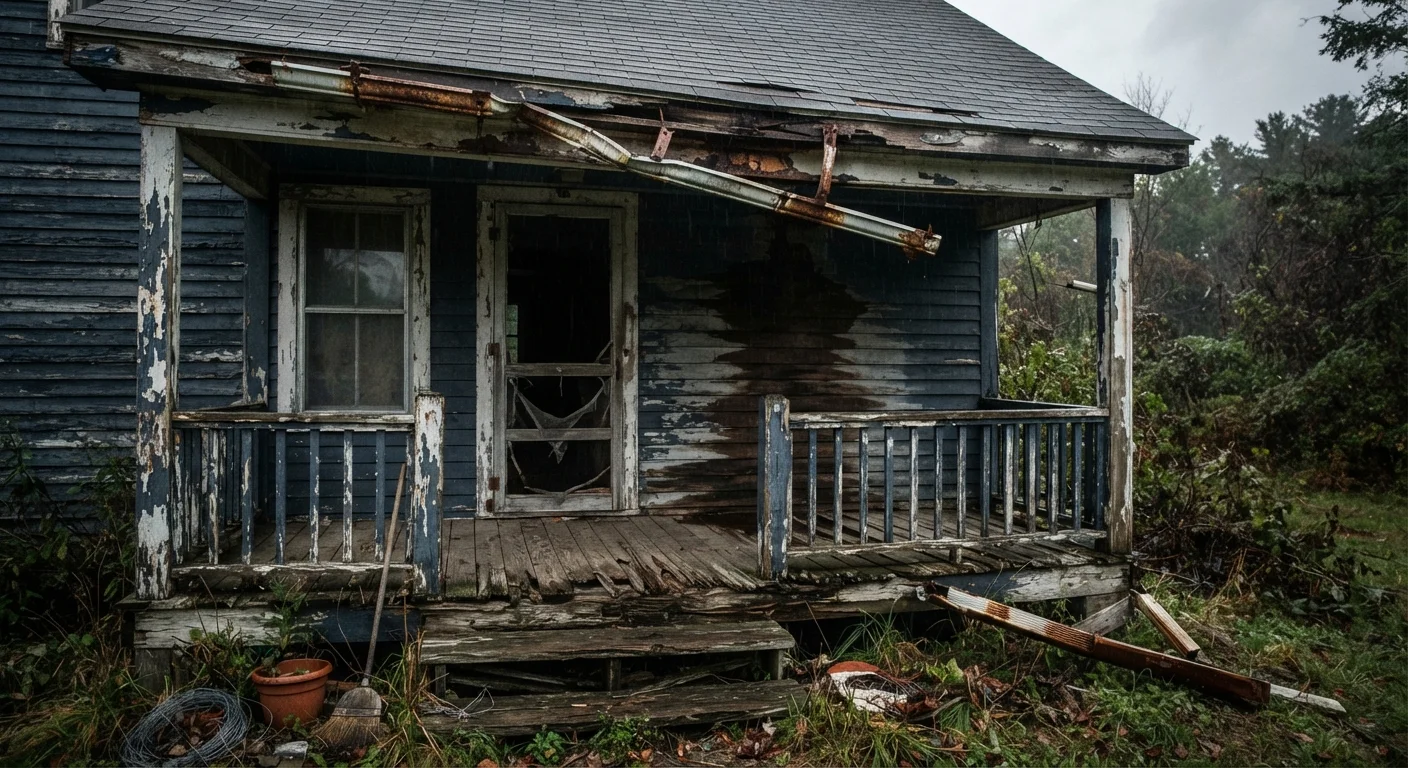
Why Small Repairs Don't Stay Small
Deferred maintenance - the habit of postponing repairs that seem minor - is one of the most financially damaging patterns in homeownership. The reasoning behind the delay is almost always the same: the problem looks containable, money feels tight, or a weekend never seems to open up. But most home systems are interconnected, and a failure in one area puts stress on the next.
Water is the clearest example. A hairline crack in window caulk admits moisture. That moisture softens the wood beneath the sill. Soft wood invites insects. Insects create channels for more moisture. What began as a fifteen-minute caulking job can become a window replacement project with framing repairs attached. This pattern repeats across roofing, plumbing, HVAC, and drainage - wherever small defects are allowed to compound.
Understanding why deferred maintenance costs more is the first step to changing behavior. The second step is knowing which tasks homeowners most commonly delay - and what the real downstream consequences are. For a broader look at how this pattern plays out beyond the home, the principle is the same: deferred maintenance costs more than the service it skips.
The Most Costly Mistakes Homeowners Make
The following are the repairs homeowners most often put off - and why each delay tends to be more expensive than it first appears.
Ignoring a slow roof leak because the ceiling stain looks small.
Why it happens: Homeowners often assume a faint water stain is old or dried out, especially if it isn't actively dripping. The damage above the ceiling, however, may be ongoing.
Skipping annual HVAC filter changes and system servicing.
Why it happens: Filters and tune-ups feel optional when the system is still running. Homeowners tend to act only when heating or cooling stops working entirely.
Letting caulk and weatherstripping around windows and doors deteriorate without replacement.
Why it happens: Gaps are easy to overlook until drafts become uncomfortable. By then, moisture may already be infiltrating wall cavities.
Allowing gutters to remain clogged through wet seasons.
Why it happens: Gutter cleaning is inconvenient and easy to postpone. Many homeowners don't realize that overflow redirects water directly against the foundation.
Postponing small plumbing leaks because they seem manageable.
Why it happens: A slow drip under a cabinet or at a supply line is easy to contain temporarily with a rag or bucket. Temporary fixes create a false sense of control.
Water Damage Moves Fast
A slow drip under a sink or a failed caulk joint around a tub can saturate subfloor material within weeks. Once moisture reaches wood framing or drywall, mold can begin growing in as little as 24 to 48 hours under warm conditions. Do not assume a small wet spot is cosmetic - investigate the source immediately and, if water has reached structural elements, consult a licensed contractor or mold remediation professional.
For tasks that fall outside straightforward DIY work, knowing when to bring in a professional matters as much as knowing what to fix. The line between DIY and professional help is worth understanding before starting any repair.
Building a Habit That Prevents the Backlog
$5,000-$10,000+
Typical cost of water damage restoration
According to the Insurance Information Institute, water damage and freezing account for a significant share of homeowner insurance claims, with restoration costs varying widely based on extent and material affected.
24-48 hrs
Time for mold to begin growing after moisture exposure
The U.S. Environmental Protection Agency notes that mold can begin developing on wet building materials within 24 to 48 hours, making rapid response to water intrusion critical.
1 in 50
Insured homes with a water damage claim per year
The Insurance Information Institute has reported that approximately one in 50 insured homes files a water damage or freezing claim in a given year, making it one of the most common homeowner loss types.
The most effective way to avoid deferred maintenance isn't willpower - it's structure. A seasonal inspection routine turns vague intention into specific, calendar-driven action. Walk your home's exterior each spring and fall, checking gutters, caulk, grading, and visible roofing. Inside, inspect under sinks, around the water heater, and at every supply line connection.
Some tasks are easy to overlook entirely - not because they're complex, but because they're invisible until they fail. The maintenance tasks most often left off the list covers several of these quiet hazards, including dryer vent cleaning and water heater flushing.
Electrical and Gas Issues: Call a Pro
If deferred maintenance involves flickering lights, outlets that spark, gas smells, or a furnace that cycles oddly, do not attempt a DIY fix. These are situations where licensed professionals are not just recommended - they are essential for safety. See where DIY electrical thinking can go wrong before attempting any electrical repair.
Finally, document what you find and what you fix. A simple log of repairs, inspection dates, and contractor contacts costs nothing and pays off when filing an insurance claim, selling the home, or simply remembering when a system was last serviced. The value of keeping home repair records extends well beyond organization - it becomes part of your home's financial history.
The content on this site is for informational purposes only and is not a substitute for professional advice. Always consult a qualified professional for guidance specific to your situation.