

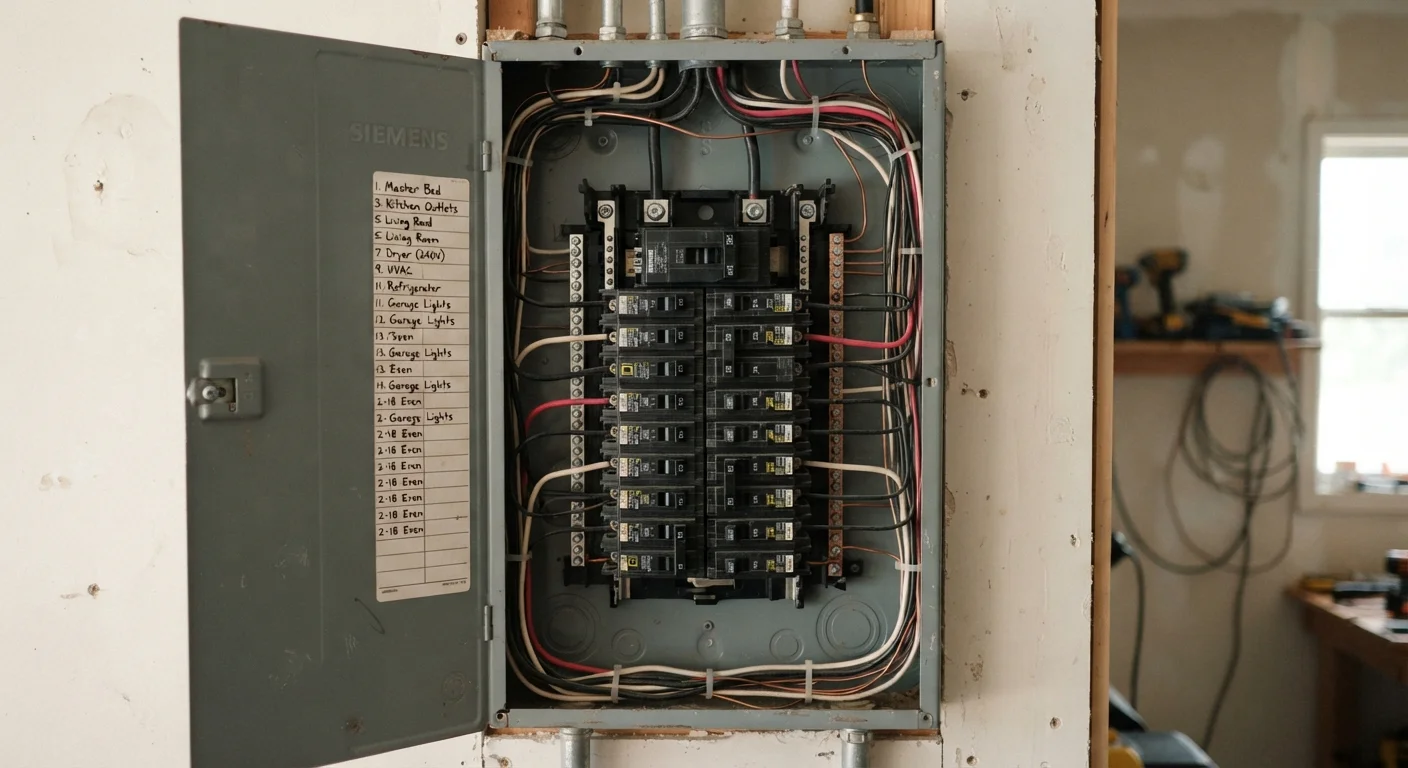
Why Your Electrical Panel Deserves Attention
Most homeowners never think about their electrical panel until something goes wrong. Yet this metal box - typically found in a basement, utility room, or garage - controls every circuit in your home and acts as the first line of defense against electrical overloads and fire hazards.
Recognizing when something is off can prevent a minor issue from becoming a dangerous or expensive emergency. The symptoms listed here are not quirks to live with - they are signals that a licensed electrician should assess the system.
| Typical Panel Lifespan | 25-40 years (General industry guidance; varies by brand and maintenance history) |
| Common Residential Panel Capacity | 100-200 amps (Standard for most single-family homes in the U.S.) |
| Permit Typically Required | Yes - for panel replacement or major upgrades (Verify local code requirements with your municipality) |
| Who Should Inspect a Panel | Licensed electrician |
| Fuse Box Era | Common in homes built before the 1960s |
Warning Signs That Warrant a Professional Assessment
The following symptoms indicate your panel may need professional attention. Some can arise from a single faulty breaker; others point to deeper problems with wiring, capacity, or panel age.
Breakers That Trip Repeatedly
An occasional tripped breaker is normal - it means the safety mechanism is working. But if the same breaker trips frequently under typical household loads, it may be undersized for its circuit, or the circuit may have a wiring fault. Do not simply reset and ignore repeated trips.
Flickering or Dimming Lights
Lights that flicker when an appliance starts up - such as a refrigerator compressor or air conditioner - can signal that the panel is struggling to meet demand. Persistent flickering unrelated to appliance cycles may indicate a loose connection inside the panel.
Warm, Discolored, or Buzzing Panel
An electrical panel should never feel warm to the touch, emit a burning smell, or produce a buzzing or humming sound. Discoloration (scorching or rust) around breakers or the panel door are serious red flags. These signs can indicate arcing, overloaded wiring, or failing components - all fire hazards.
Breakers That Won't Stay Reset
A breaker that trips immediately after being reset - or one that feels loose and won't click firmly into position - is not functioning correctly and should be evaluated by a licensed electrician.
Your Panel Uses Fuses Instead of Breakers
Older fuse-based panels (common in homes built before the 1960s) may not meet modern electrical demands and can be difficult to insure. If your home still has a fuse box, consult an electrician about whether an upgrade is appropriate for your situation.
Panel Age and Home Insurance
Some insurance providers ask about the type and age of your electrical panel when underwriting homeowners coverage. Older fuse-based panels or panels with documented safety concerns may affect your coverage options or premiums. Consult your insurance agent for specifics about your policy.
Outlets That Spark, Smell, or Feel Warm
While outlets are not part of the panel itself, persistent issues - sparking when plugging in devices, warm outlet covers, or a burning odor - often trace back to a circuit or wiring problem that starts at the panel.
For a broader look at when professional help is the right call, see our guide to DIY versus hiring a pro. And if you're buying a home, these same panel warning signs appear on inspection reports - learn more in our article on home inspection findings buyers underestimate.
What to Do - and What Not to Do
If you notice any of the warning signs above, the correct response is to contact a licensed electrician for an inspection. Electrical panel work involves high-voltage components that remain energized even when individual breakers are off. Do not attempt to open, modify, or repair the panel yourself. In most jurisdictions, panel work requires a permit and must be performed by a licensed professional - and for good reason.
In the meantime, avoid overloading circuits with high-draw appliances running simultaneously, and unplug devices from any outlet you suspect is faulty. If you notice a burning smell, visible scorching, or hear crackling sounds from the panel, treat it as an urgent safety matter and contact an electrician promptly.
Understanding where the line falls between a safe DIY task and licensed professional work is critical. Our article on common DIY electrical mistakes explains exactly where that boundary lies.
Circuit Breaker
A resettable safety switch that automatically interrupts power to a circuit when it detects an overload or fault. Unlike fuses, breakers can be reset after tripping.
Electrical Arcing
An unintended electrical discharge that jumps between conductors or connections. Arcing generates intense heat and is a leading cause of electrical fires.
Load Capacity
The maximum amount of electrical current a panel or circuit is rated to carry safely. Exceeding this capacity causes overheating and tripped breakers.
Fuse Box
An older type of electrical panel that uses single-use fuses rather than resettable breakers to protect circuits. Common in homes built before the 1960s.
GFCI Outlet
A ground-fault circuit interrupter outlet that shuts off power within milliseconds if it detects a ground fault. Required by code in kitchens, bathrooms, and other wet areas in most jurisdictions.
The content on this site is for informational purposes only and is not a substitute for professional advice. Always consult a qualified professional for guidance specific to your situation.