

Summary
22 items · 30-60 minutes per home toured
Why Your Eyes - and Nose - Matter Before the Inspector Arrives
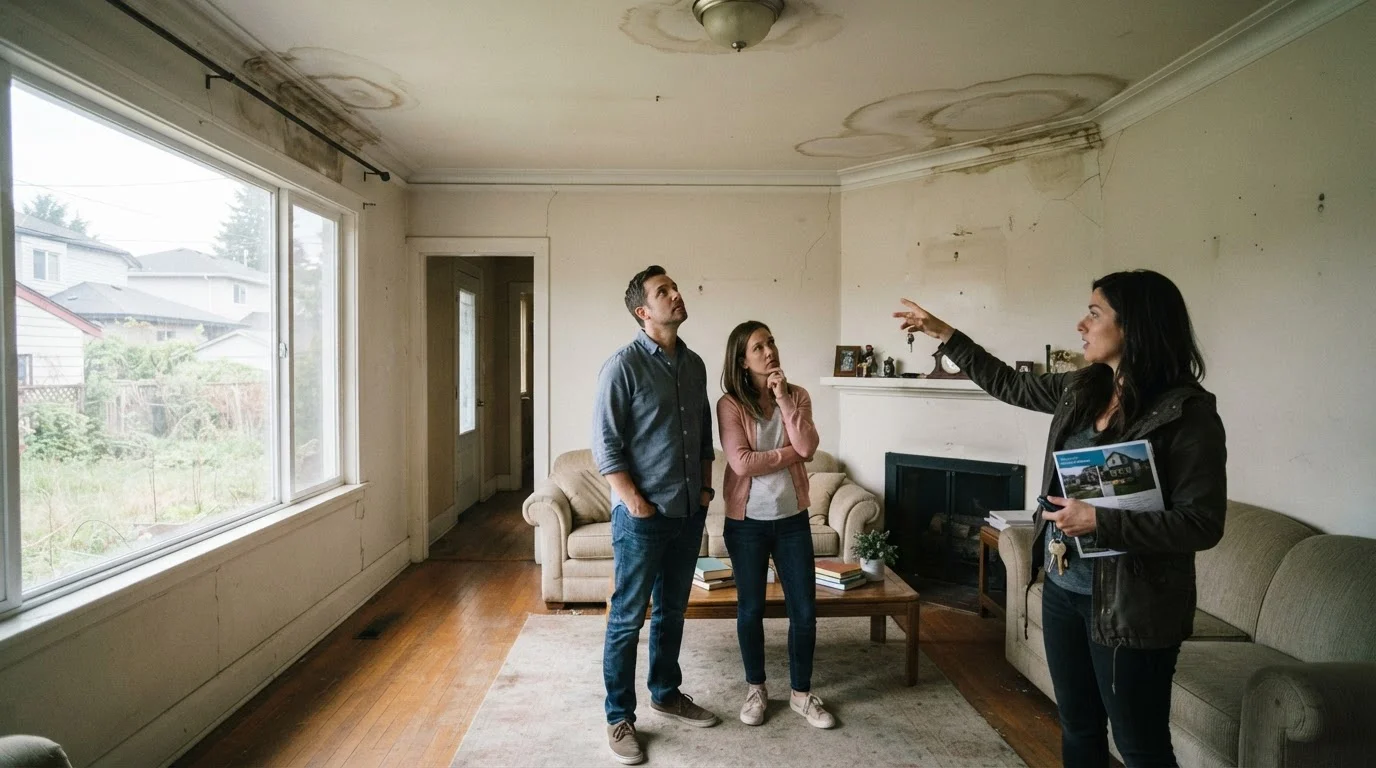
A home tour isn't just about falling in love with a kitchen or imagining your furniture in the living room. It's your first and often best opportunity to catch warning signs before you're emotionally or financially committed. Sellers and their agents are not required to highlight every defect, and listing photos are curated by design.
The good news: many serious problems leave visible - or smellable - evidence. Knowing what to look for lets you walk away from a money pit early, negotiate repairs strategically, or arrive at the inspection with specific questions already formed. If your finances aren't yet in order for a purchase, review the financial steps to take before house hunting so you're ready to move decisively when you do find the right home.
Use the checklist below as a structured walkthrough guide - room by room, system by system.
Exterior & Foundation
Water Damage & Moisture
Structural & Interior
Electrical & Mechanical
Odors & Environmental
When to Walk Away vs. When to Dig Deeper
Not every red flag is a dealbreaker. Some issues - peeling caulk, outdated fixtures, minor surface cracks - are routine and inexpensive to address. Others - active water intrusion, significant foundation movement, outdated electrical panels, or evidence of pest damage - can represent tens of thousands of dollars in remediation costs and ongoing risk.
Fresh Cosmetics Can Hide Old Problems
A home that's been freshly painted, re-carpeted, or had new fixtures installed right before listing isn't automatically suspicious - but it does warrant extra scrutiny. Look behind, beneath, and around recent updates for the underlying conditions they may have replaced or covered. Pay particular attention to areas around windows, at floor edges, and in corners where moisture damage commonly originates.
If you spot electrical warning signs such as double-tapped breakers, aluminum wiring, or a panel that's been modified without apparent permits, consult this guide to electrical panel warning signs to understand what warrants a licensed electrician's assessment. Similarly, homes built before 1980 may contain hazardous materials; learn how lead paint and asbestos factor into older home purchases before proceeding.
Whatever you find on tour, a licensed home inspector is your next essential step. Tours surface possibilities; inspections surface facts. For a deeper look at which inspection findings carry the heaviest long-term consequences, see home inspection findings buyers tend to underestimate.
Smartphone with flashlight
Illuminate dark corners in basements, crawl spaces, and under-sink cabinets where moisture and damage are easy to miss.
Notepad or notes app
Record specific rooms, features, and concerns so you can compare multiple homes accurately and brief your inspector.
Marble or small level
Roll along floors or place on windowsills to check for noticeable slope, a quick proxy for foundation or subfloor unevenness.
Licensed home inspector
Provides the formal, professional assessment needed to confirm or rule out the concerns you identified during your tour.
This article is for general informational purposes only and does not constitute legal, financial, or professional home inspection advice. Always consult qualified professionals before making real estate decisions.
The content on this site is for informational purposes only and is not a substitute for professional advice. Always consult a qualified professional for guidance specific to your situation.