

Our Verdict
Smart thermostats deliver genuine convenience and can trim energy bills when used consistently and installed in compatible homes. However, they are tools - not solutions - and work best as part of a broader approach to home efficiency. Households with irregular schedules, older HVAC systems, or limited Wi-Fi reliability may see fewer benefits than marketed.
Homeowners with regular schedules, a compatible HVAC system, and an interest in monitoring and adjusting energy use over time.
What Smart Thermostats Actually Do
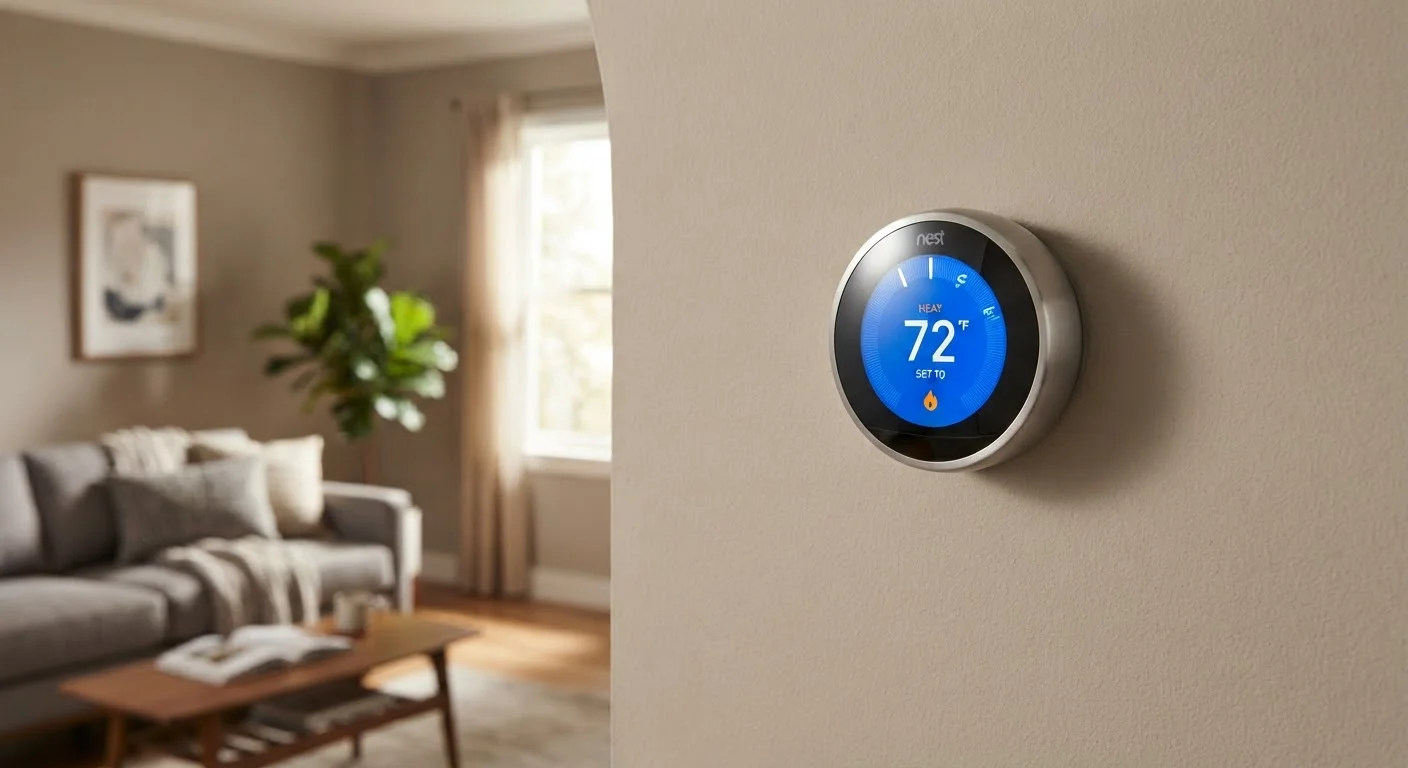
A smart thermostat is a Wi-Fi-enabled device that replaces your standard wall thermostat, giving you remote control of your home's heating and cooling system through a smartphone app. Beyond basic scheduling - which programmable thermostats have offered for decades - smart models add features like learning your routine, detecting when you leave home, and providing energy usage reports.
Some devices use occupancy sensors or your phone's location to switch into an energy-saving mode when the house is empty. Others integrate with voice assistants so you can adjust the temperature without leaving the couch. If you're building out connected devices, see our beginner's guide to setting up a smart home for broader context on how these devices fit together.
The core value proposition is automation: the thermostat handles routine adjustments so you don't have to, theoretically running your HVAC system less when it isn't needed.
Remote control from anywhere via smartphone
You can adjust your home's temperature before you arrive or while traveling, preventing unnecessary heating or cooling of an empty house.
Scheduling reduces HVAC runtime automatically
Automated schedules mean your system runs less during unoccupied hours without requiring manual adjustment, which can reduce energy consumption over time.
Energy usage reports build awareness
Monthly or weekly reports show patterns in your energy use, helping you identify waste and make informed adjustments to your routine.
Utility rebates often available
Many electric and gas utilities offer rebates of $25-$100 or more on qualifying smart thermostats, reducing the effective purchase cost.
Integrates with other smart home devices
Compatibility with voice assistants and home automation platforms lets you coordinate the thermostat with lighting, occupancy sensors, and other devices.
The Real Limitations Worth Knowing
Smart thermostats are frequently marketed with ambitious savings figures, but those numbers come with conditions. A thermostat can only control when your system runs - it cannot make an aging, undersized, or poorly maintained HVAC unit more efficient. If your home has significant air leaks, a smart thermostat's scheduling precision won't prevent conditioned air from escaping. Pairing it with steps like sealing air leaks and addressing commonly skipped maintenance tasks tends to yield more meaningful results than any single device upgrade.
Installation is another practical hurdle. Most smart thermostats require a C-wire (common wire) to maintain continuous power. Many homes built before the 1990s don't have one routed to the thermostat location, which may require a licensed electrician to add - adding cost and complexity to what's sometimes described as a simple DIY project.
May require C-wire installation in older homes
Homes without a common wire routed to the thermostat may need an electrician, turning a DIY upgrade into a more involved and costly project.
Savings depend on how actively you use it
Studies on smart thermostat savings show wide variation; households that don't adjust schedules or review data regularly tend to see minimal efficiency gains.
Cannot fix underlying HVAC or insulation problems
A smart thermostat optimizes when your system runs but has no effect on system efficiency, duct leakage, or heat loss through walls and windows.
Collects and transmits household behavior data
Usage data, occupancy patterns, and location information are sent to manufacturer servers and may be shared with utility or advertising partners depending on the policy.
Requires reliable Wi-Fi to function fully
Remote access, app control, and some learning features depend on a stable internet connection - homes with spotty Wi-Fi may experience limited functionality.
Upfront cost higher than standard thermostats
Smart thermostats typically retail for significantly more than basic programmable models, and the payback period can stretch to several years depending on usage.
Privacy and Data Collection
Smart thermostats collect data about when you're home, your temperature preferences, and sometimes your geographic location. This information is used to power features like auto-away modes, but it's also transmitted to manufacturer servers and, depending on the privacy policy, may be shared with utility partners or used for product improvement.
What Data Smart Thermostats Typically Collect
Most smart thermostat manufacturers collect data including temperature settings, schedules, occupancy detection events, and device location. Some programs allow utilities to access anonymized usage data to manage grid demand. Reviewing the specific privacy policy for any device you're considering is the most reliable way to understand what is and isn't collected, and what opt-out controls exist.
Consumers concerned about home monitoring data may want to review the device manufacturer's privacy policy before purchasing and check what data-sharing opt-outs are available. This is similar to considerations around other connected home devices - our article on smart speakers and privacy covers how to think through these trade-offs more broadly.
Getting the Most From a Smart Thermostat
The devices that tend to deliver consistent results are those used actively: owners who set schedules, review energy reports, and adjust settings seasonally see more benefit than those who install the device and forget it. Many utility companies offer rebates on qualifying smart thermostats - checking your provider's website before purchasing is a practical step that can offset a significant portion of the upfront cost.
~8%
Estimated heating and cooling savings
The U.S. Department of Energy has noted that programmable and smart thermostats can save roughly 8% on heating and cooling costs when used as directed - individual results vary.
$25-$100+
Typical utility rebate range
Many U.S. electric and gas utilities offer rebates on qualifying smart thermostats; amounts vary by provider and program availability.
For homes that already have a whole-house maintenance plan, a smart thermostat fits naturally into a broader efficiency strategy. If you're weighing whether managed maintenance agreements make sense, our balanced look at whole-house preventive maintenance contracts covers a similar cost-benefit analysis. The bottom line: smart thermostats are useful, capable devices - as long as your expectations are grounded in what they can realistically control.
The content on this site is for informational purposes only and is not a substitute for professional advice. Always consult a qualified professional for guidance specific to your situation.