

Our Verdict
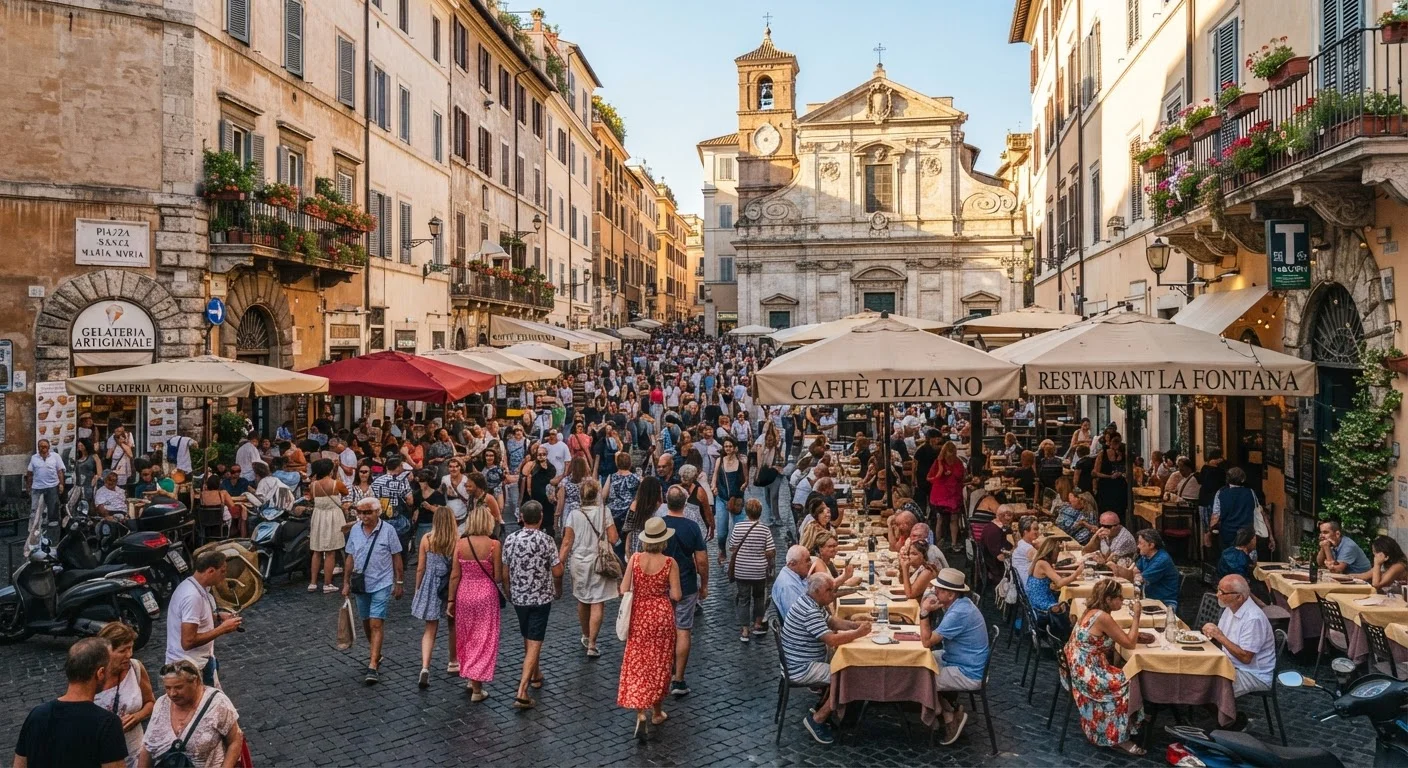
Summer in Europe is genuinely rewarding for travelers who plan well and go in with realistic expectations. The long days, lively atmosphere, and fully operational tourism infrastructure are hard to match - but so are the costs, the queues, and the heat. For most American travelers with limited vacation time, summer remains a solid choice if bookings are locked in early and itineraries leave room to breathe.
Best for travelers whose schedules are fixed to summer vacation windows, families with school-age children, and first-time visitors who want the full, vibrant European experience - and who are willing to plan several months in advance.
Why Summer Dominates American Travel to Europe
For most American travelers, summer is the path of least resistance. School calendars, workplace PTO cycles, and the psychological pull of warm weather all funnel demand toward June, July, and August. European destinations receive this surge reliably every year, which means the infrastructure - tours, ferries, museums, regional rail - is running at full capacity. That's genuinely useful. But it also means you're sharing those resources with millions of other visitors simultaneously.
Understanding what you're actually trading when you choose peak season is more valuable than a simple thumbs-up or thumbs-down. The tradeoffs are real on both sides.
Longest daylight hours of the year
Midsummer days in northern Europe can stretch to 16-17 hours of daylight, giving travelers dramatically more time to explore without the constraint of early sunsets.
Nearly all attractions fully operational
Museums, ferries, mountain lifts, open-air markets, and seasonal festivals all run at maximum capacity in summer, reducing the risk of arriving to find something closed or scaled back.
Reliable warm weather for outdoor itineraries
Coastal destinations, cycling routes, and outdoor festivals are best experienced in warm, dry conditions - which summer reliably delivers across most of western and southern Europe.
Easier logistics for first-time visitors
English-language signage, tourist-friendly services, and staff accustomed to international visitors are most prevalent during peak season, reducing friction for travelers less familiar with navigating abroad.
Rich calendar of festivals and events
From open-air concerts in Vienna to village festivals across Tuscany and the Tour de France route, summer offers a density of cultural events unavailable at other times of year.
The Real Costs: Money, Crowds, and Heat
Summer pricing in Europe isn't subtle. Flights from major US hubs to popular European cities - London, Paris, Rome, Barcelona - tend to reach their annual highs in July and August. Hotel and rental prices follow the same curve. Travelers who haven't booked three to six months in advance often find themselves either paying significantly more or accepting less desirable options.
Significantly higher prices across all categories
Flights, accommodations, and popular tours all carry peak-season premiums in July and August. Travelers booking late may pay 30-60% more than they would for the same trip in May or October, though exact figures vary widely.
Crowds at iconic sites can be overwhelming
The Colosseum, Eiffel Tower, Sagrada Família, and similar landmarks draw their largest visitor volumes in summer, often resulting in hour-plus waits and a diminished experience even with advance tickets.
Extreme heat in southern destinations
Cities like Seville, Athens, and Rome regularly exceed 95°F in July and August. Extended outdoor sightseeing in these conditions is physically demanding and can pose health risks for some travelers.
Advance planning window is lengthy and mandatory
Popular trains, guided tours, and museum entry slots require reservations months ahead. Spontaneous travel in peak season often means limited options and higher last-minute costs.
Some locals depart, reducing authentic experience
In cities like Paris and Rome, a portion of permanent residents leave in August, meaning some neighborhood restaurants, shops, and cultural institutions that attract travelers specifically for local character temporarily close.
Beyond cost, heat deserves serious attention. Southern Europe in midsummer isn't just warm - Athens, Seville, and Rome can sustain temperatures above 95°F for days at a time. This affects how much walking you can comfortably do, how many midday hours you'll want to spend outdoors, and whether your accommodation's air conditioning matters more than its location. In recent years, extreme heat events have prompted health advisories across parts of southern and central Europe, and travelers with health conditions should consult a physician before planning physically demanding itineraries in these conditions.
€200-€500+
Average nightly hotel premium in peak summer vs. shoulder season
European Travel Commission data consistently shows peak-season accommodation costs in major cities running substantially higher than spring or autumn equivalents, though exact figures vary by city and property type.
~6M
Annual visitors to the Colosseum, Rome
The Colosseum is among Europe's most visited individual sites; the majority of annual visitors arrive between June and August, according to Italian cultural heritage management figures.
If your schedule allows any flexibility, shoulder season travel - typically May, early June, September, or October - offers substantially thinner crowds and more moderate pricing without a dramatic drop in what's available to do.
Planning Smart for a Summer Trip
Accepting that summer comes with tradeoffs doesn't mean accepting a stressful trip. A few structural decisions make an outsized difference.
- Book early and specifically. Popular trains (Eurostar, high-speed routes between major cities) sell out weeks in advance. Timed-entry museum tickets for places like the Vatican Museums or Uffizi Gallery can be reserved months ahead - and not having them means joining standby queues in peak heat.
- Build in slower days. Itineraries crammed with must-sees tend to collapse under peak-season logistics. Factor in travel delays, longer waits, and the energy cost of navigating crowds.
- Consider secondary cities. While Paris and Barcelona are gridlocked in August, cities like Porto, Ljubljana, or Ghent offer comparable cultural richness with a fraction of the congestion.
- Stretch your budget deliberately. For practical cost-reduction strategies that work specifically in high-demand seasons, see approaches that help travelers spend less without sacrificing the trip.
Verify Entry and Health Requirements Before You Go
Visa rules, health documentation requirements, and travel advisories for US passport holders can change. Always check the US State Department's travel advisory page and the official government website of each destination country before finalizing plans. Do not rely on third-party sources for entry requirements - only official channels reflect the current rules.
Accommodation choices also carry more weight in summer than any other season. A centrally located room that costs more upfront may save money on transport and reduce time lost in transit. Accommodation tradeoffs budget travelers often overlook is worth reading before you commit to the cheapest listing available.
If you're weighing whether to travel alone or with others - which affects pacing, costs, and flexibility significantly - solo versus group travel tradeoffs is a useful companion read before finalizing plans.
The content on this site is for informational purposes only and is not a substitute for professional advice. Always consult a qualified professional for guidance specific to your situation.