

Our Verdict
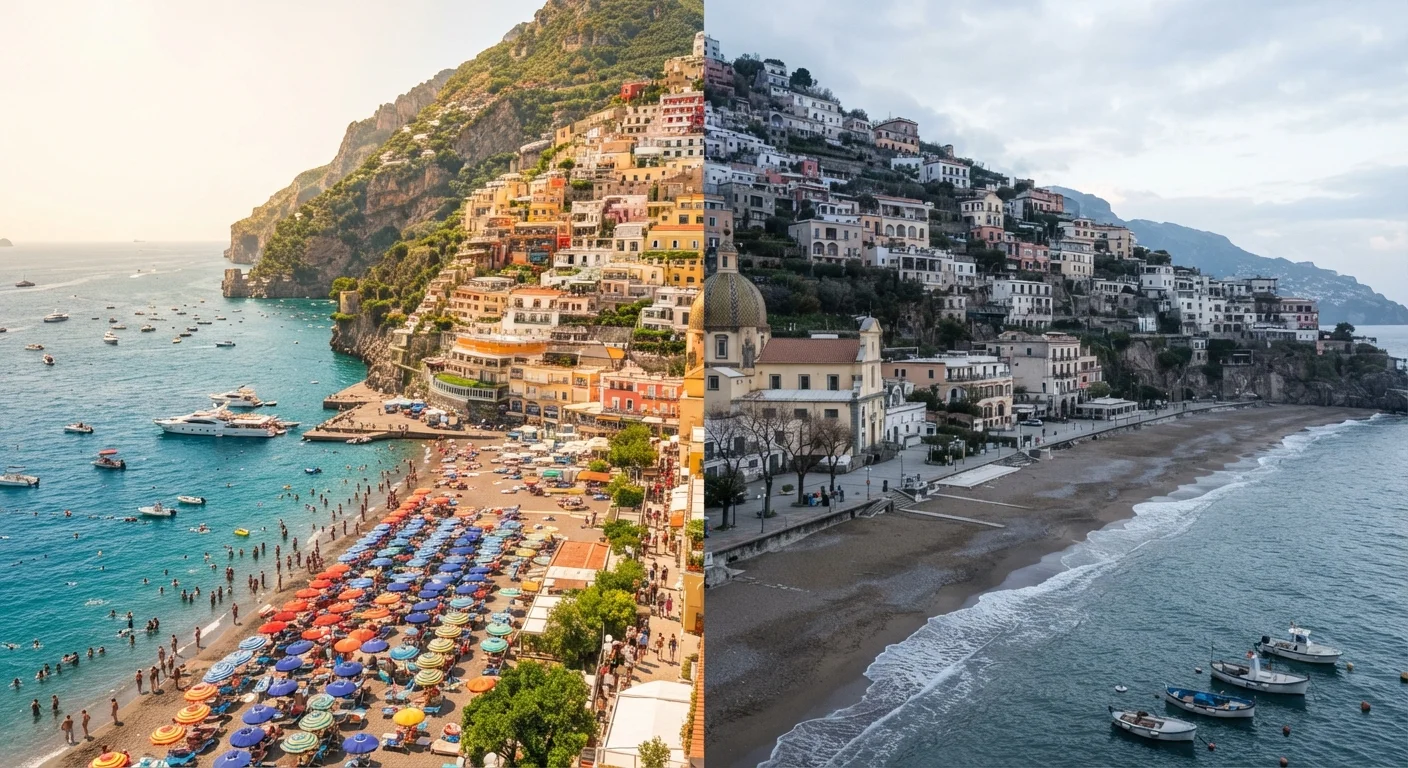
Neither peak nor off-season travel is universally superior - the best choice hinges on what you value most. Families tied to school calendars and travelers chasing reliable conditions lean toward peak season, while budget-conscious and crowd-averse travelers often find off-season deeply rewarding. For many destinations, shoulder season threads the needle between both worlds.
| Best for | Recommended |
|---|---|
| Families with school-age children or fixed vacation windows | Peak Season |
| Budget-focused travelers with flexible schedules | Off-Season |
| Travelers wanting a balance of value, access, and atmosphere | Shoulder Season |
| Those chasing specific events or activities tied to a season | Peak Season |
What Peak Season and Off-Season Actually Mean
"Peak season" refers to the period when a destination sees its highest visitor volume - typically driven by favorable weather, school breaks, or major local events. For most US beach destinations, that's summer. For ski resorts, it's winter. For European cities, peak season generally runs June through August.
"Off-season" is simply the inverse: the stretch of months when visitor numbers drop significantly. Shoulder season - the transitional weeks just before or after peak - sits in between, and it's worth treating as a separate category entirely. See our guide to shoulder season travel for a deeper look at why those in-between windows often deliver surprising value.
The definitions shift by destination. January in Cancún is peak season (winter sun-seekers flood in), while January in Paris is firmly off-season. Before building your travel calendar, research the specific rhythm of your chosen destination rather than assuming a universal rule applies.
How Timing Affects Cost, Crowds, and Experience
| Peak Season | Off-Season | |
|---|---|---|
| Typical Cost | Higher - flights and hotels at premium rates | Lower - meaningful savings on most bookings |
| Crowd Levels | High - popular sites can feel overcrowded | Low - more space and personal experience |
| Weather Reliability | Generally predictable and favorable | Variable; can include rain, heat, or cold |
| Attraction Availability | Full operation; all activities open | Some closures or reduced hours common |
| Booking Lead Time Needed | Months in advance for best options | Shorter; last-minute flexibility possible |
| Overall Atmosphere | Vibrant but tourist-heavy | Quieter; more authentic local feel |
Cost is the most measurable difference: flights and accommodations during peak periods can run substantially higher than the same trip taken a few months earlier or later. That said, price swings vary widely - a Caribbean resort might drop rates by 30-40% in hurricane season, while a popular national park might see only modest fluctuations. For broader money-saving context, the strategies that consistently help travelers spend less are worth pairing with any seasonal decision you make.
Crowd levels affect more than just aesthetics. At heavily visited attractions - think the Grand Canyon's South Rim or Rome's Colosseum - peak-season wait times and parking headaches can meaningfully cut into your day. Off-season visitors often report a qualitatively different and more immersive experience, simply because the site isn't shoulder-to-shoulder.
Experience quality also depends on what's open. Some restaurants, tour operators, and transportation links reduce hours or close entirely in the low season. Verify operational status before booking.
When Peak Season Is Worth It
Peak season makes the most practical sense in a few specific situations:
- You're traveling with school-age kids. Summer and holiday breaks aren't optional for most families - the calendar decides for you.
- Your destination genuinely requires it. Certain activities - whale watching in specific windows, festival experiences, or polar bear tours - only exist during peak periods. Missing the window means missing the point of the trip.
- Weather reliability matters more than price. If unpredictable conditions would significantly compromise your plans (a beach trip, an outdoor wedding, a hiking expedition), peak season's weather guarantees can justify the premium.
- You're planning far ahead. Booking early can offset some of peak season's cost premium - locking in flights and accommodation before prices climb to their highest point.
Consider the Shoulder Season Sweet Spot
If you can travel even two or three weeks outside the absolute peak window, you'll often capture most of the weather benefit at a meaningfully lower price. Late May in Mediterranean Europe, early September in many US national parks, and November in parts of Southeast Asia all offer thinner crowds without sacrificing the core experience. Think of it as a risk-adjusted compromise that tends to satisfy the widest range of travel styles.
When Off-Season Travel Pays Off
Off-season travel rewards travelers who can tolerate some uncertainty in exchange for real savings and breathing room. The advantages go beyond price:
- Genuine atmosphere. Locals outnumber tourists. You interact with a destination on its own terms, not filtered through a high-season tourism apparatus.
- Better service. Hotels and restaurants that aren't stretched thin often deliver a noticeably better experience to the guests they do have.
- Flexibility. Last-minute itinerary changes are far easier when availability isn't locked up months in advance.
Off-season travel requires honest planning, though. Research which attractions, transport links, or seasonal businesses close during low periods. For destinations like coastal Europe, for example, off-season can mean shuttered seaside restaurants and reduced ferry schedules - trade-offs that are manageable if expected. See our honest look at European summer travel for a specific case study of how peak timing plays out on a major trip.
Making the Decision for Your Trip
A few questions help cut through the noise:
- Is your timing fixed? School calendars, work schedules, and family commitments often settle the question before you even start planning.
- How sensitive are you to cost? If the price gap between peak and off-season is significant for your destination, and you have flexibility, that alone can make the decision.
- What will you actually be doing? Outdoor activities are weather-dependent; museum visits and city walking tours are not. Match your tolerance for weather risk to the activity list.
- How much does crowd density bother you? Some travelers feed off a lively, buzzing atmosphere. Others find it exhausting. Be honest about which camp you're in.
Also consider how your timing decision interacts with itinerary pacing - a busy peak-season destination may require you to build in more buffer time between activities than you'd expect. Our piece on why overpacking an itinerary backfires is worth a read before you finalize your schedule.
The content on this site is for informational purposes only and is not a substitute for professional advice. Always consult a qualified professional for guidance specific to your situation.