

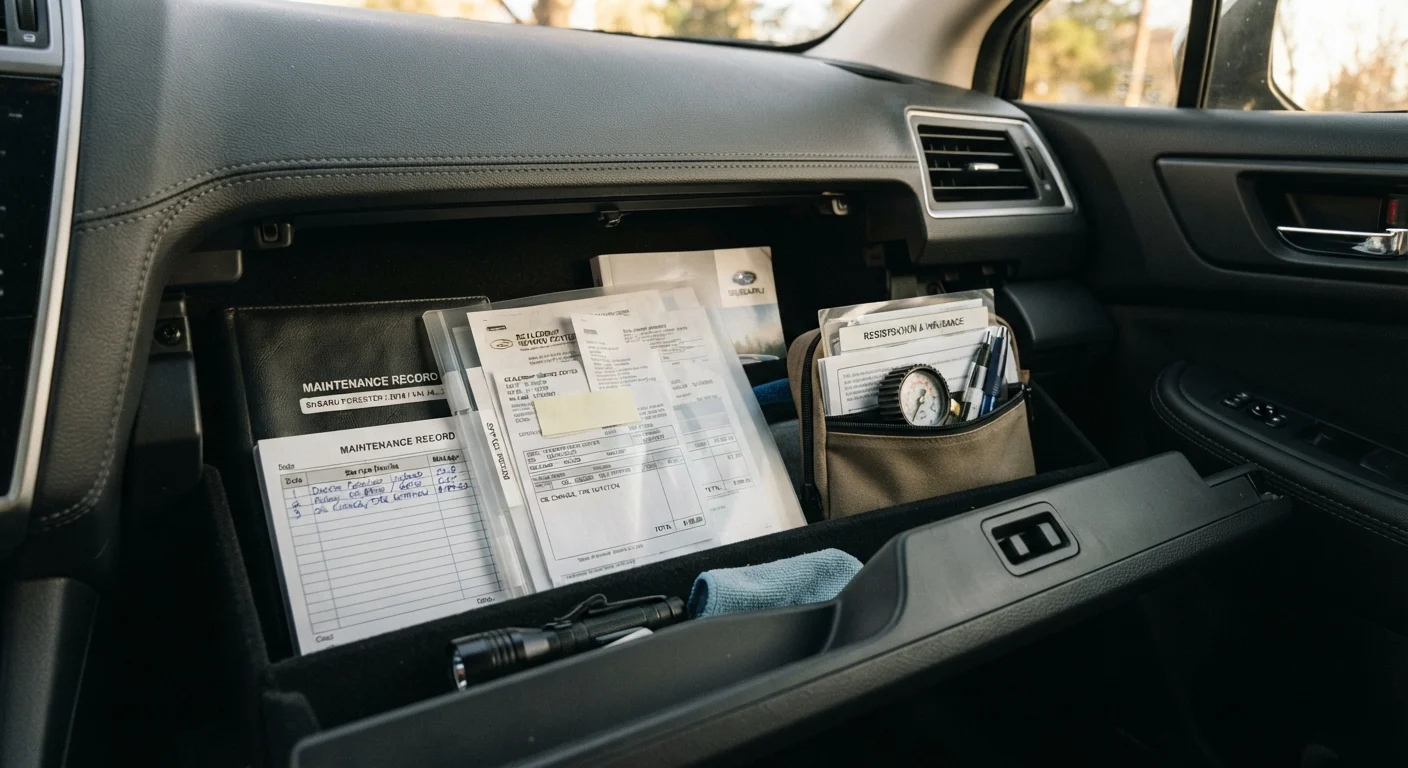
Why Service Records Are Worth Keeping
Most drivers think of maintenance records as paperwork - something the dealership files away and that only accountants or mechanics care about. In practice, a vehicle's service history is one of the most functional documents you own. It tells a story about how a car has been treated, and that story carries real weight whether you're troubleshooting a problem, selling the vehicle, or defending a warranty claim.
When a mechanic can see that your car received oil changes on schedule, had its brakes inspected regularly, and had a transmission service at the manufacturer's recommended mileage, they spend less time guessing and more time fixing. That translates directly into lower diagnostic labor costs and fewer unnecessary part replacements.
For a broader look at what responsible ownership involves year-round, see the Annual Car Ownership Checklist - a practical guide covering renewals, coverage reviews, and maintenance milestones in one place.
Digital Tools Can Simplify Record-Keeping
Several smartphone apps and online platforms are designed specifically to help drivers log maintenance events, set service reminders, and store receipts digitally. These tools don't replace keeping physical receipts, but they can make consistent logging significantly easier. Look for options that allow data export, so your records remain accessible regardless of whether a particular app continues operating.
Best Practices for Building a Reliable Service Log
Good records don't require a complex system. What matters is that the information is captured consistently and stored somewhere you can actually find it.
Record every service event at the time it happens, not weeks later from memory.
Details fade quickly, and an imprecise record is nearly as problematic as no record at all. Logging the date, mileage, service performed, and shop name immediately after each appointment ensures accuracy and builds a reliable timeline.
Keep both the physical receipt and a digital backup for every service.
Paper receipts fade and get lost; digital files can be deleted or become inaccessible. Maintaining both formats protects against either failure and makes the records easy to share with a prospective buyer or a mechanic.
Include manufacturer-recommended services, not just repairs.
Many drivers only document repairs, which creates a misleading picture. Routine services - fluid flushes, filter replacements, tire rotations - are equally important to a complete history and demonstrate proactive care.
Note any declined or deferred services at the time they are recommended.
If a mechanic recommends a service you choose to delay, documenting that recommendation and your decision creates an honest record. This protects you from liability claims and helps future mechanics understand the full context of the vehicle's condition.
Store your records in a dedicated, consistent location - physical or digital.
Records scattered across glove compartments, email inboxes, and kitchen drawers are effectively inaccessible when you need them quickly. A single organized location eliminates search time and ensures nothing is overlooked.
How Records Protect You at Resale
A vehicle with a complete service history is simply easier to sell - and often commands stronger buyer confidence than a comparable car with no documentation. Buyers and dealers alike interpret gaps in records as potential risk, even when the car is in good mechanical condition.
Documentation also helps protect you against disputes. If a buyer later claims a problem existed before the sale, your records establish a clear baseline of the car's condition and maintenance status at the time of the transaction.
~$500-$1,000+
Estimated resale value advantage with complete records
Industry observers and consumer guides frequently cite documented maintenance history as a factor that supports stronger asking prices, though the exact premium varies by vehicle, market, and buyer.
1 in 5
Used vehicles with reported title or history issues
According to vehicle history report providers, a meaningful share of used vehicles carry some form of reported event - underscoring why transparent documentation matters to buyers.
Understanding what buyers look for - and what red flags they're trained to spot - can sharpen your awareness as a seller. The article on vehicle history red flags covers what savvy buyers examine, including odometer readings and title designations, which context is useful to any seller building a credible history.
Getting Started and Staying Consistent
If you've never kept formal records, the right time to start is now - even if your vehicle already has significant mileage. A partial history is more useful than none, and future owners or mechanics will benefit from whatever documentation you can provide going forward.
As vehicles age, the maintenance picture evolves. Services that were optional at 60,000 miles often become essential by 100,000. The High-Mileage Vehicles maintenance guide outlines which inspections and services become more critical over time - a useful companion to any service log you're building.
This article is for general informational purposes only. Always consult a qualified mechanic for advice specific to your vehicle's condition and maintenance needs.
The content on this site is for informational purposes only and is not a substitute for professional advice. Always consult a qualified professional for guidance specific to your situation.