

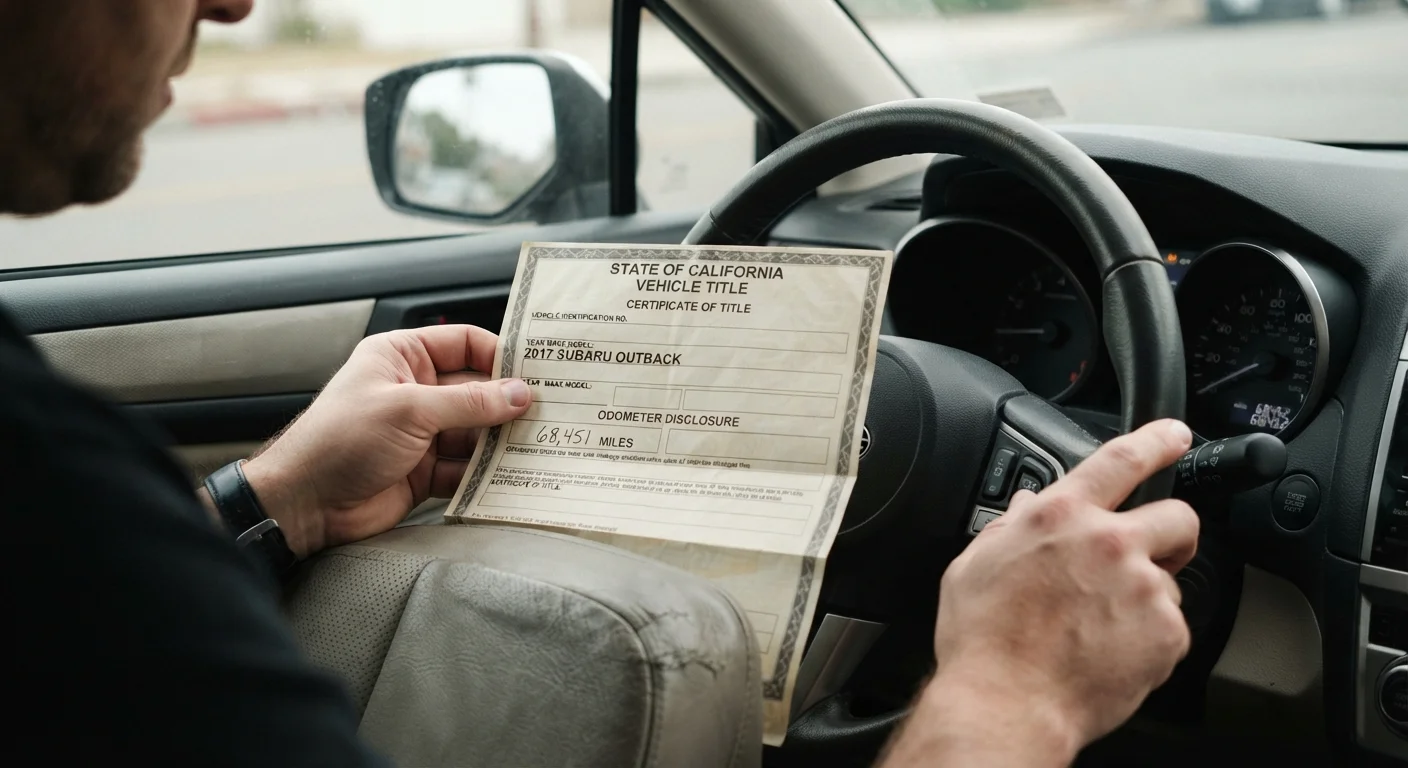
Why Title Status and Mileage Records Matter More Than You Think
When most people evaluate a used vehicle, they focus on how it drives and how it looks. But two administrative details - the title designation and the odometer history - can have a far greater impact on the vehicle's long-term value, safety, and insurability than any cosmetic feature.
A salvage title is issued by a state when an insurance company declares a vehicle a total loss, typically because repair costs exceed a defined threshold relative to its market value. A rebuilt title (sometimes called a reconstructed title) is issued after a salvage vehicle has been repaired and passed a state inspection - though inspection standards vary considerably from state to state. Neither designation simply disappears over time. Understanding how these designations affect your ownership experience is foundational to making sound decisions. See our guide to vehicle depreciation for a broader look at the financial forces that reduce a car's value.
Title Washing Can Hide Serious Damage
Title washing occurs when a vehicle is registered in a state with less stringent branding requirements to obscure a salvage or rebuilt designation. The resulting 'clean' title hides the vehicle's true history. Always run a vehicle history report from a service that aggregates data across multiple states and databases before completing any purchase.
Common Mistakes That Leave Buyers Exposed
The errors that lead people to unknowingly purchase a fraud-affected vehicle are rarely the result of carelessness alone - they often stem from gaps in consumer knowledge about how the vehicle title and mileage systems actually work in the United States. The mistakes below represent the most consequential oversights, along with practical steps to address each one.
Skipping a vehicle history report and assuming the seller's word is sufficient.
Why it happens: Buyers often trust verbal assurances or feel social pressure to complete a sale quickly, especially in private transactions.
Treating a 'rebuilt' title the same as a clean title when evaluating price and insurability.
Why it happens: Sellers sometimes downplay the distinction, and buyers may not realize the long-term implications for insurance coverage and resale.
Failing to get an independent mechanical inspection on a rebuilt or salvage-branded vehicle.
Why it happens: The disclosed damage history may seem minor, or the vehicle may appear cosmetically sound, leading buyers to skip this step to save time and money.
Ignoring physical odometer red flags during an in-person inspection.
Why it happens: Most buyers focus on cosmetics and test-drive feel rather than the subtle wear patterns that can indicate rolled-back mileage.
Assuming out-of-state titles are automatically legitimate and equivalent to local titles.
Why it happens: Buyers may not be aware that title branding requirements differ significantly by state, making cross-state purchases a common vector for title washing.
Good documentation habits matter beyond the purchase stage, too. Once you own a vehicle, keeping detailed service records creates a paper trail that protects your own resale position and helps mechanics catch developing problems faster.
What to Do If You Suspect You Already Own an Affected Vehicle
If you purchased a vehicle and later discover evidence of odometer fraud or an undisclosed title brand, you have legal options. Federal law provides remedies for odometer fraud victims, including the ability to sue for damages. Start by gathering all documentation: the title, the bill of sale, any vehicle history reports you obtained, and photos of any physical evidence.
Contact your state's Department of Motor Vehicles (DMV) and, if odometer fraud is suspected, file a complaint with NHTSA. An attorney familiar with consumer protection or automotive fraud cases can help you understand your specific remedies.
Odometer Fraud Is a Federal Crime
Under the Federal Odometer Act (49 U.S.C. § 32701 et seq.), tampering with or misrepresenting a vehicle's mileage is a federal offense. Convicted individuals can face civil and criminal penalties. If you suspect odometer fraud, you can report it to the National Highway Traffic Safety Administration (NHTSA) or your state attorney general's office.
For vehicles with legitimate rebuilt titles that you intend to keep, focus on thorough ongoing maintenance. High-mileage vehicle maintenance guidance is especially relevant if the vehicle's true mileage is uncertain. When you're ready to transfer ownership, familiarize yourself with the formal process - our overview of transferring a car title explains what documentation is required and what can go wrong if steps are skipped.
1 in 10
Used vehicles may have hidden title issues
NHTSA and consumer advocacy estimates have suggested a significant proportion of used vehicles on the market carry undisclosed title brands or mileage discrepancies.
20-40%
Typical resale value reduction for rebuilt-title vehicles
Industry appraisers and automotive researchers generally estimate rebuilt-title vehicles sell for substantially less than equivalent clean-title models, though the exact figure varies by make, model, and damage type.
This article is for general informational purposes only and does not constitute legal or financial advice. If you believe you are the victim of fraud, consult a qualified attorney and report the matter to the appropriate authorities.
The content on this site is for informational purposes only and is not a substitute for professional advice. Always consult a qualified professional for guidance specific to your situation.