

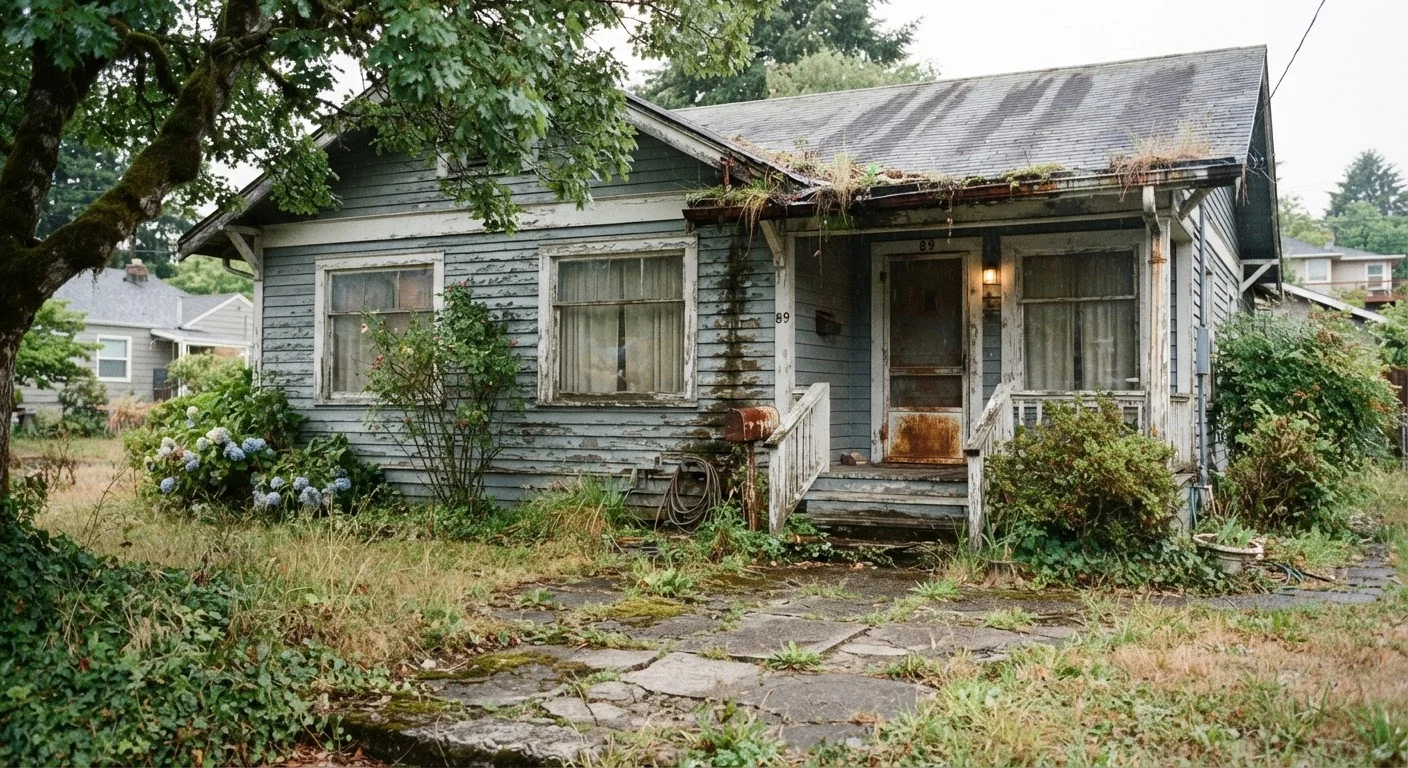
Why Homeownership Neglect Compounds Faster Than Expected
Owning a home carries a continuous set of responsibilities that don't pause between mortgage payments. Unlike renting, where a landlord absorbs the operational burden, homeowners are fully accountable for the legal standing of their property, the condition of its systems, and compliance with local regulations. When any of these areas is neglected, problems rarely stay contained - they compound.
The pattern is consistent: a minor oversight becomes a moderate issue, which becomes a costly emergency. A clogged gutter leads to fascia rot. An unaddressed deed error surfaces during a refinance. A skipped permit triggers a code violation when you try to sell. Understanding which duties carry the most risk when ignored is the first step toward staying ahead of them. For a comprehensive view of what ownership demands throughout the year, the Annual Property Ownership Responsibilities Checklist offers a structured starting point.
~40%
of homeowners who could appeal their property tax assessment
Industry observers and tax advocacy groups estimate a significant share of eligible homeowners never file an appeal, despite assessments frequently containing errors or using outdated comparables.
1 in 3
home sales affected by title issues
According to the American Land Title Association, title problems are discovered in roughly one-third of real estate transactions, many stemming from previously unaddressed deed or recording errors.
The Most Consequential Mistakes Homeowners Make
Some neglected duties involve legal and administrative tasks that feel abstract until they become urgent. Others involve physical systems that fail quietly before they fail visibly. The mistakes below span both categories - and each carries a disproportionate cost relative to what prevention would have required.
Skipping the property tax appeal window after an assessment increase.
Why it happens: Many homeowners assume assessed values are accurate or don't realize appeals are permitted. Deadlines are often short - sometimes just 30 to 90 days after the notice - and easy to miss.
Failing to review or update homeowner's insurance coverage after significant changes to the property.
Why it happens: Homeowners often set up a policy at closing and treat it as a one-time task, not realizing that renovations, additions, or rising rebuild costs can quickly render coverage inadequate.
Deferring maintenance on drainage, gutters, and roofing until visible damage appears.
Why it happens: These systems are out of sight and seem to function until they visibly fail. Homeowners often prioritize interior comfort over exterior upkeep, and the costs feel avoidable in the short term.
Completing improvements without pulling required permits.
Why it happens: Permits feel bureaucratic, slow, and costly upfront. Contractors occasionally suggest skipping them to save time, and homeowners may not realize the long-term risks.
Ignoring HOA notices, rule changes, or fine accumulations.
Why it happens: Homeowners in associations sometimes disengage from HOA communications, viewing them as routine or low-stakes. Unpaid fines can compound and, in some states, escalate into liens.
Unpermitted Work Creates Lasting Legal Risk
Improvements made without required permits don't disappear when you sell. Buyers' lenders and inspectors often flag unpermitted additions, which can delay or kill a sale. In some jurisdictions, you may be required to bring work up to current code at your own expense before closing - a cost that can far exceed the original project.
Boundary and access issues represent another underappreciated area of risk. Homeowners sometimes allow informal arrangements - a neighbor's fence that crosses the property line, an unmarked shared driveway - to persist for years, not realizing that prolonged acceptance can affect legal rights. Understanding how these situations work is covered in depth in our guide on easements, encroachments, and property lines.
Maintenance Deferrals: When Delay Multiplies the Bill
Physical maintenance is the category where delay most reliably transforms small expenses into large ones. Water, in particular, is unforgiving - it finds every gap and exploits every weakness. A roof that needs $400 in flashing repair today may need $12,000 in structural remediation if left unaddressed through two rainy seasons.
Title and Deed Errors Don't Fix Themselves
A misspelled name, incorrect legal description, or missing signature on a deed can quietly cloud your title for years. These errors typically surface at the worst possible time - during refinancing or a sale - when resolving them becomes urgent and expensive. Review your deed after closing and consult a real estate attorney if anything appears inaccurate.
Homeowners often underestimate how interconnected building systems are. A drainage problem at the foundation can affect interior humidity, which affects air quality, which affects HVAC load. Tasks that seem cosmetic - caulking around windows, resealing a deck - are actually moisture management. For a deeper look at how deferred maintenance compounds into structural damage, the pattern is well-documented and worth reviewing. Similarly, maintenance tasks that homeowners commonly overlook - like dryer vent cleaning and water heater flushing - carry more consequence than their mundane nature suggests.
If your home was built before 1980, physical maintenance also intersects with material hazard risks. Disturbing certain surfaces during repairs can release harmful substances. Review what's involved in working with older homes containing lead paint or asbestos before beginning any renovation work.
This article is for general informational purposes only and does not constitute legal, financial, or professional home improvement advice. Consult a licensed attorney, financial adviser, or qualified contractor for guidance specific to your situation and jurisdiction.
The content on this site is for informational purposes only and is not a substitute for professional advice. Always consult a qualified professional for guidance specific to your situation.